
Why Site Speed Is So Important: Conversions, Loyalty & Google Rankings
Discover why website speed matters for higher conversions, stronger customer loyalty, and better Google rankings—and learn how to optimize your store for peak performance
Why Site Speed Is So Important: Conversions, Loyalty & Google Rankings
Introduction to Website Speed

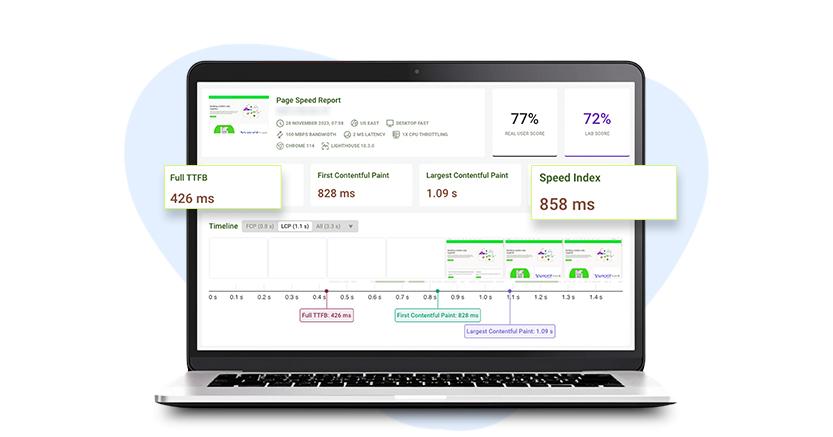
Website speed is one of the most critical factors in eCommerce success. A fast-loading Shopify store not only improves user experience but also directly impacts conversions, customer retention, and search rankings.
Even a 1-second delay can significantly reduce engagement and revenue.
How Site Speed Impacts Conversions
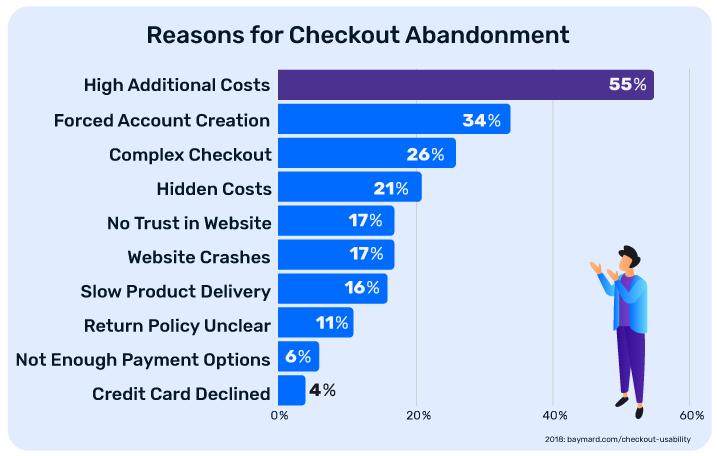
Speed directly affects buying decisions.
Key Insights:
- Slow pages increase bounce rates
- Faster pages improve checkout completion
- Users expect pages to load in under 2–3 seconds
A slow Shopify store creates friction, leading to lost sales.
Impact on Customer Loyalty & Experience
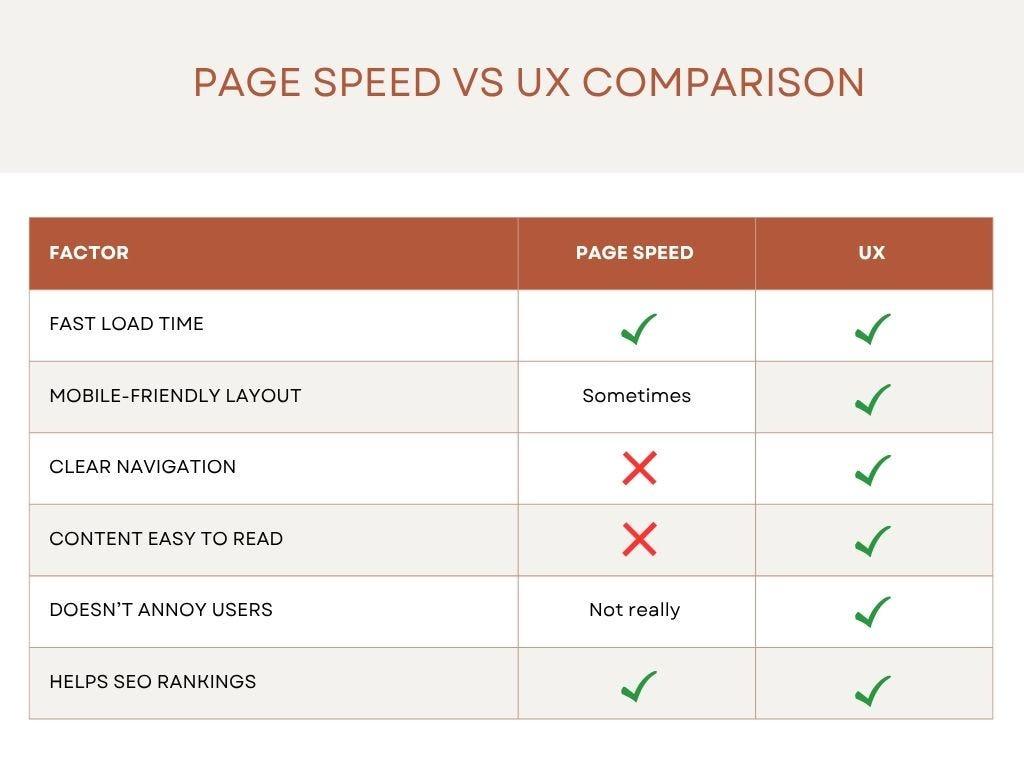
Speed is a major factor in customer satisfaction.
- Fast sites create smooth experiences
- Slow sites frustrate users
- Poor performance reduces repeat purchases
Customers are unlikely to return if your site feels slow or unreliable.
Site Speed and Google Rankings
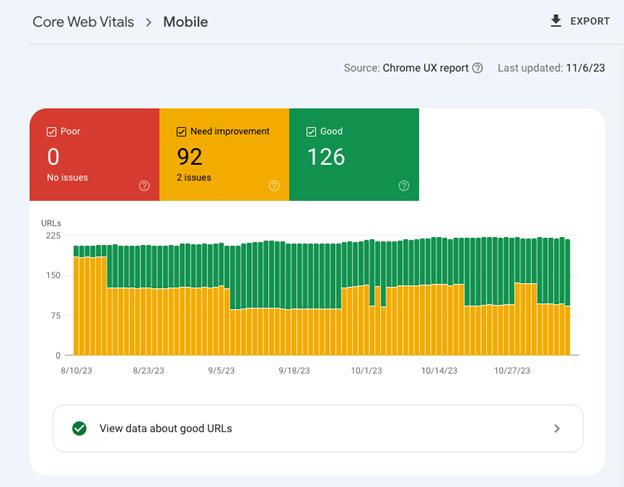
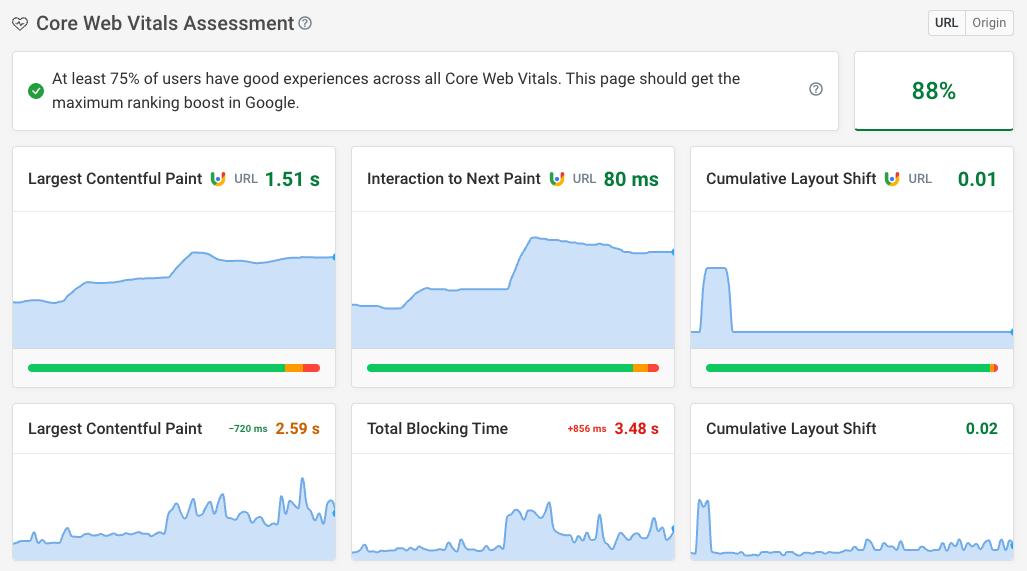
Google uses speed as a ranking factor through Core Web Vitals:
- LCP (Largest Contentful Paint) – Loading speed
- CLS (Cumulative Layout Shift) – Visual stability
- INP (Interaction to Next Paint) – Responsiveness
Faster websites rank higher and get more organic traffic.
What Causes Slow Shopify Site Speed?
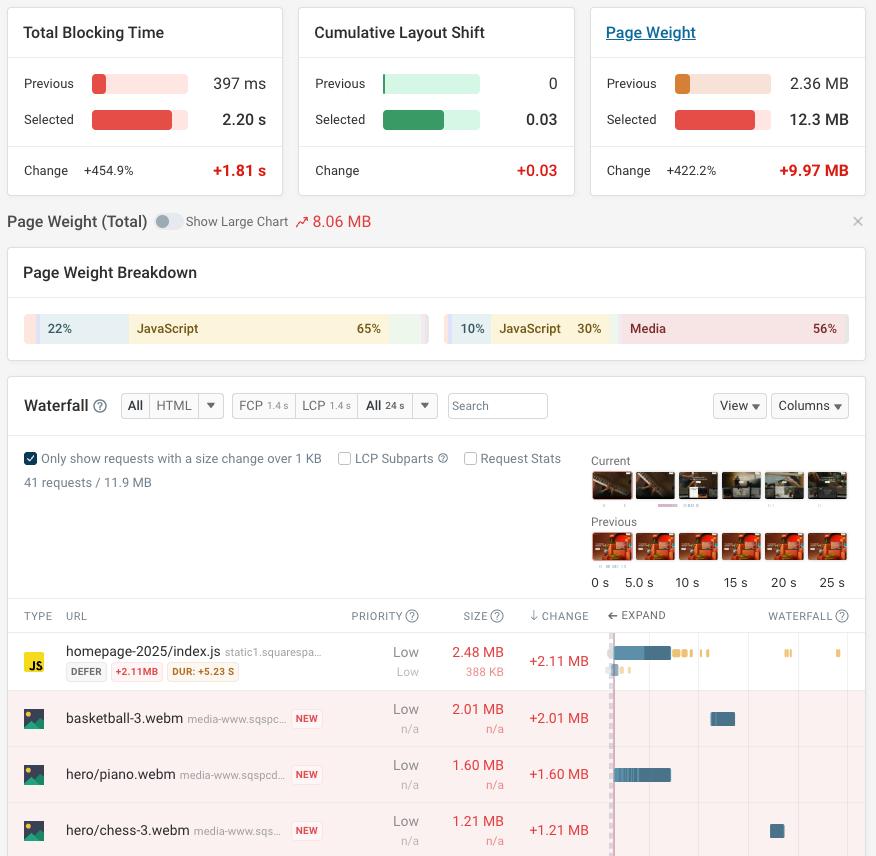
Common reasons include:
- Large, unoptimized images
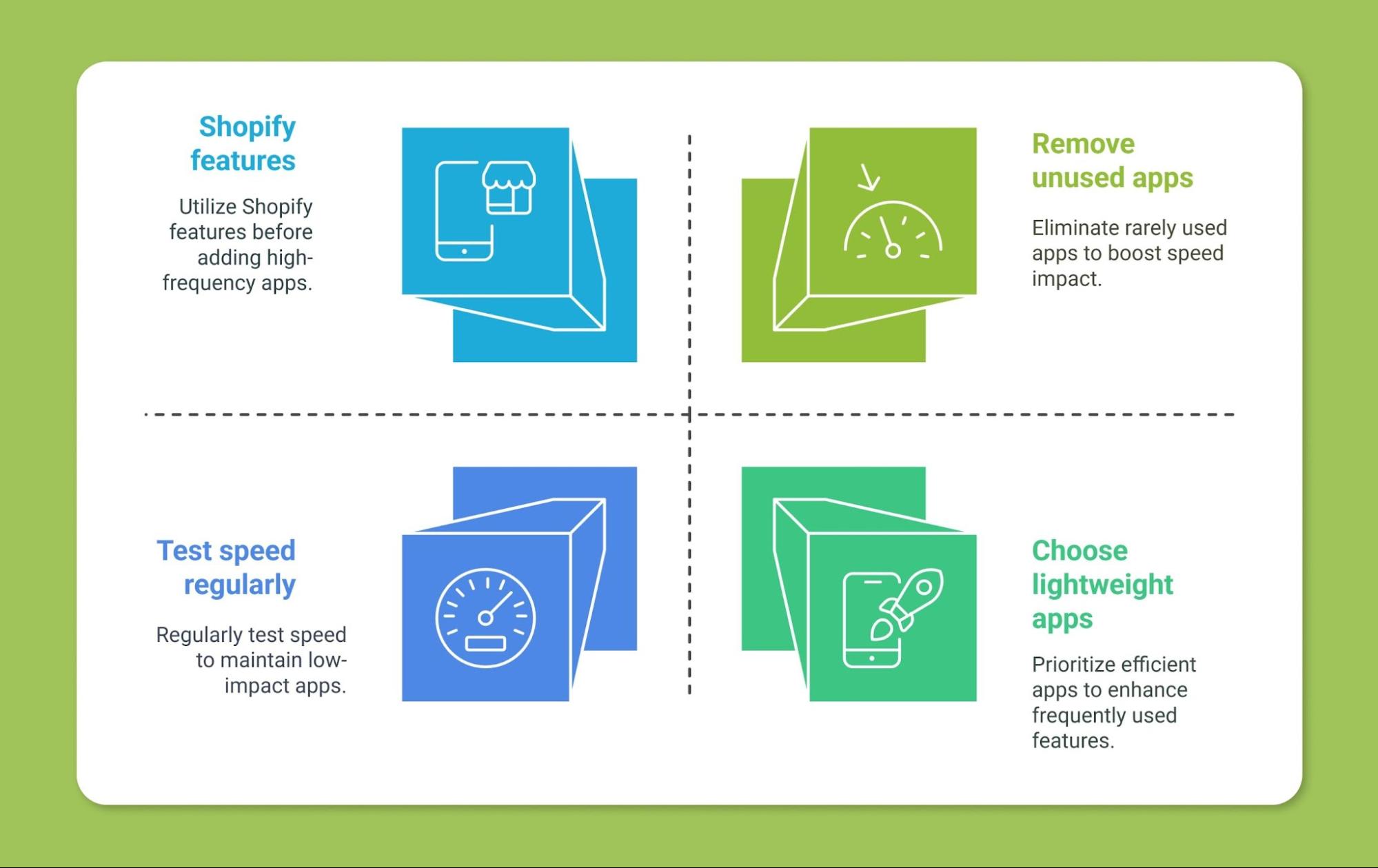
- Too many apps/scripts
- Heavy themes or poor coding
- Excessive JavaScript and CSS
- Lack of caching
Identifying bottlenecks is the first step to improvement.
How to Measure Website Speed
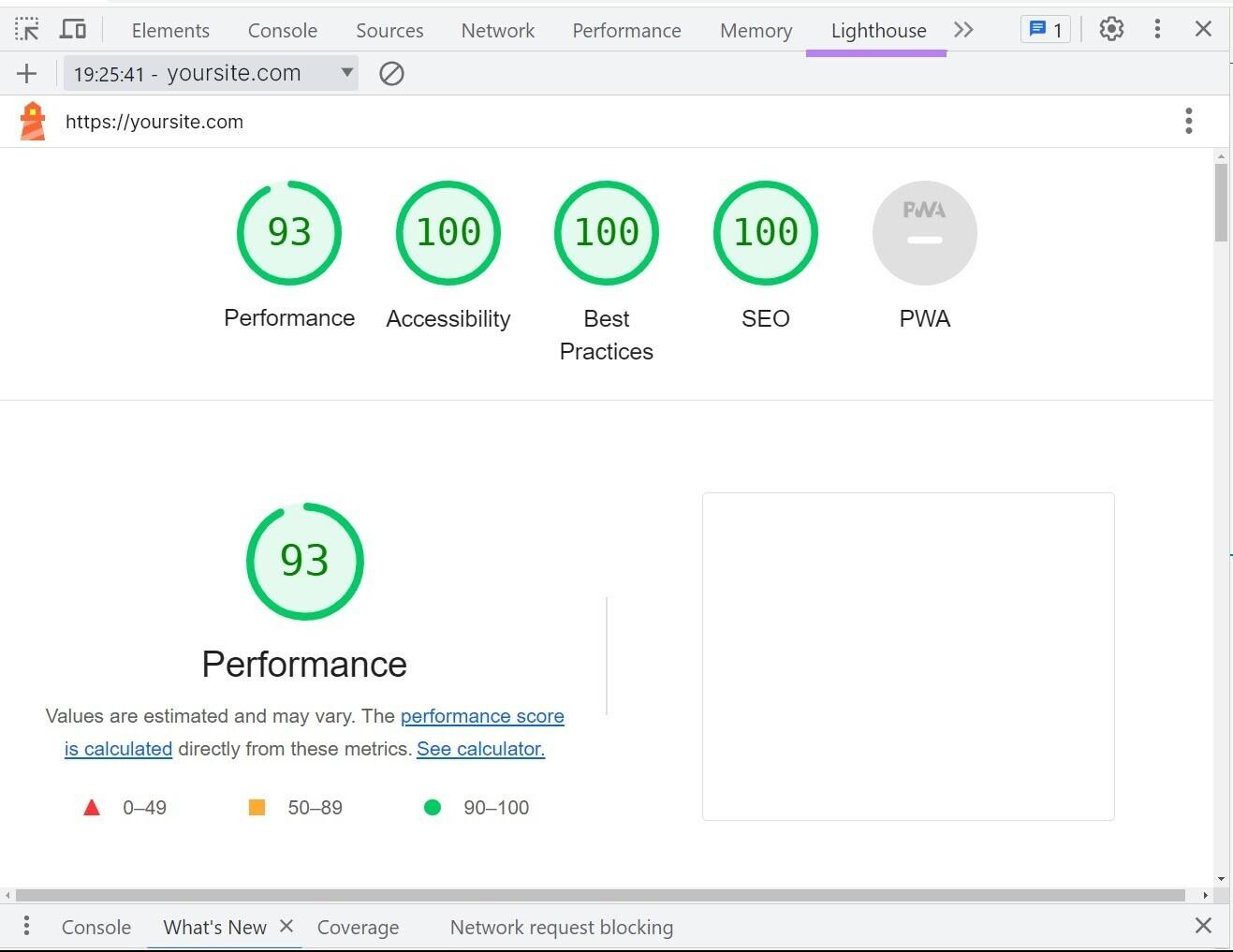
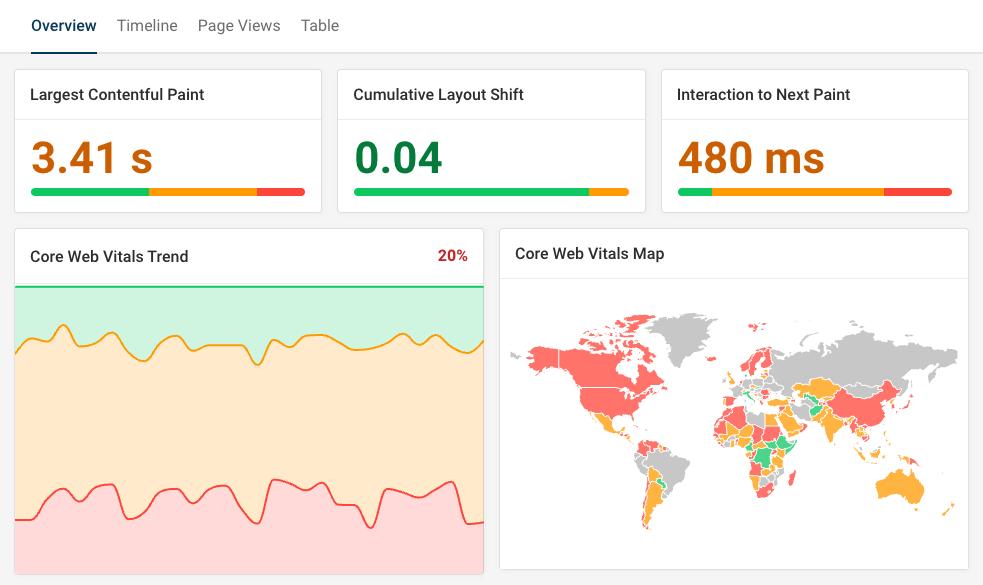
Use tools like:
- Google PageSpeed Insights
- GTmetrix
- Lighthouse
Key metrics to track:
- Page load time
- Time to Interactive
- Core Web Vitals
Regular monitoring ensures consistent performance.
Shopify Speed Optimization Best Practices
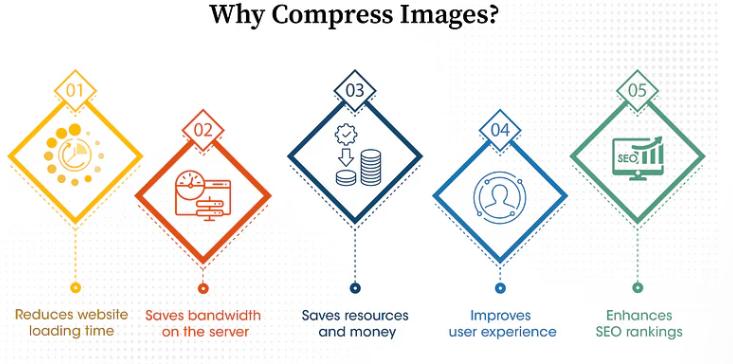
1. Optimize Images
Compress and use modern formats (WebP).
2. Reduce Apps
Remove unused Shopify apps.
3. Use Lightweight Themes
Avoid heavy, bloated themes.
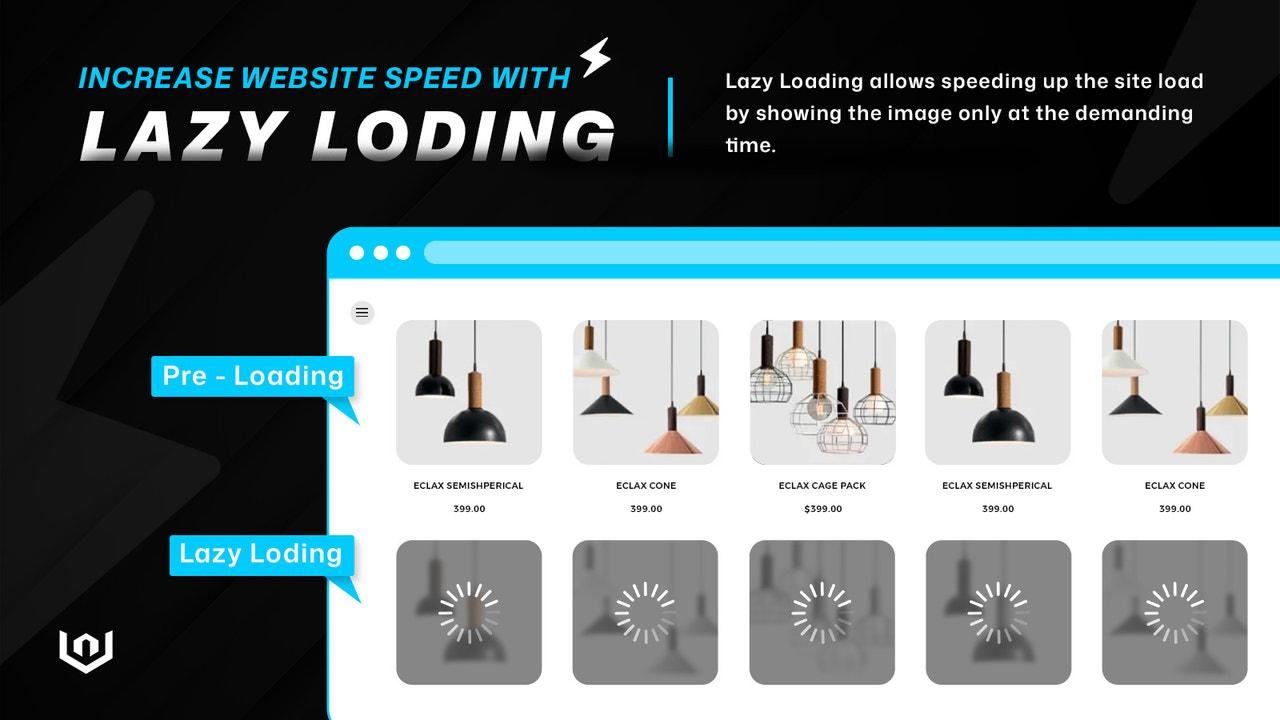
4. Enable Lazy Loading
Load images only when needed.
5. Use CDN
Deliver content faster globally.
Mobile Speed Optimization
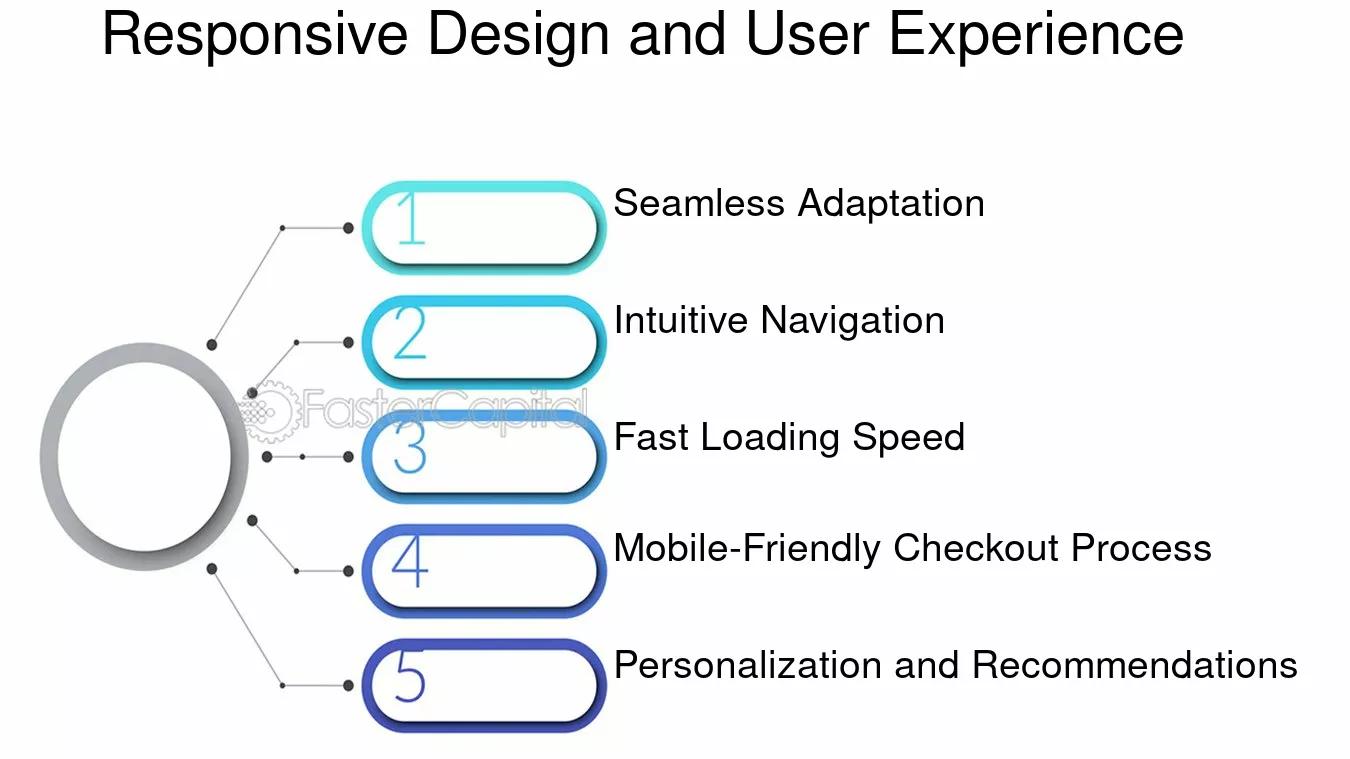
Most Shopify traffic comes from mobile.
Optimize by:
- Using responsive design
- Reducing mobile scripts
- Optimizing mobile images
- Simplifying navigation
Mobile performance directly affects conversions.
Common Speed Optimization Mistakes
Avoid these mistakes:
- Installing too many apps
- Ignoring image optimization
- Using poorly coded themes
- Not testing performance regularly
Small issues can compound into major slowdowns.
Future of Website Performance
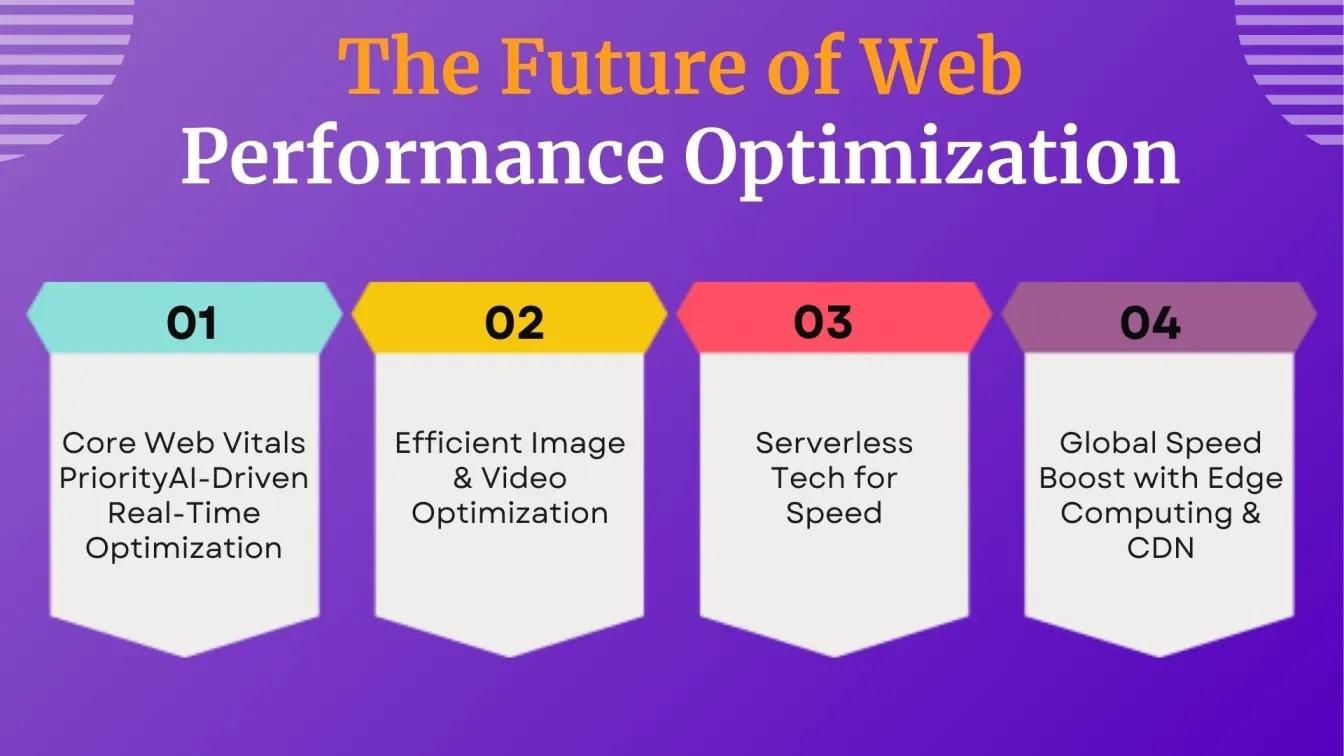
Performance trends include:
- AI-driven optimization
- Edge computing & faster CDNs
- Progressive Web Apps (PWA)
- Instant loading experiences
Speed will continue to be a competitive advantage.
Conclusion
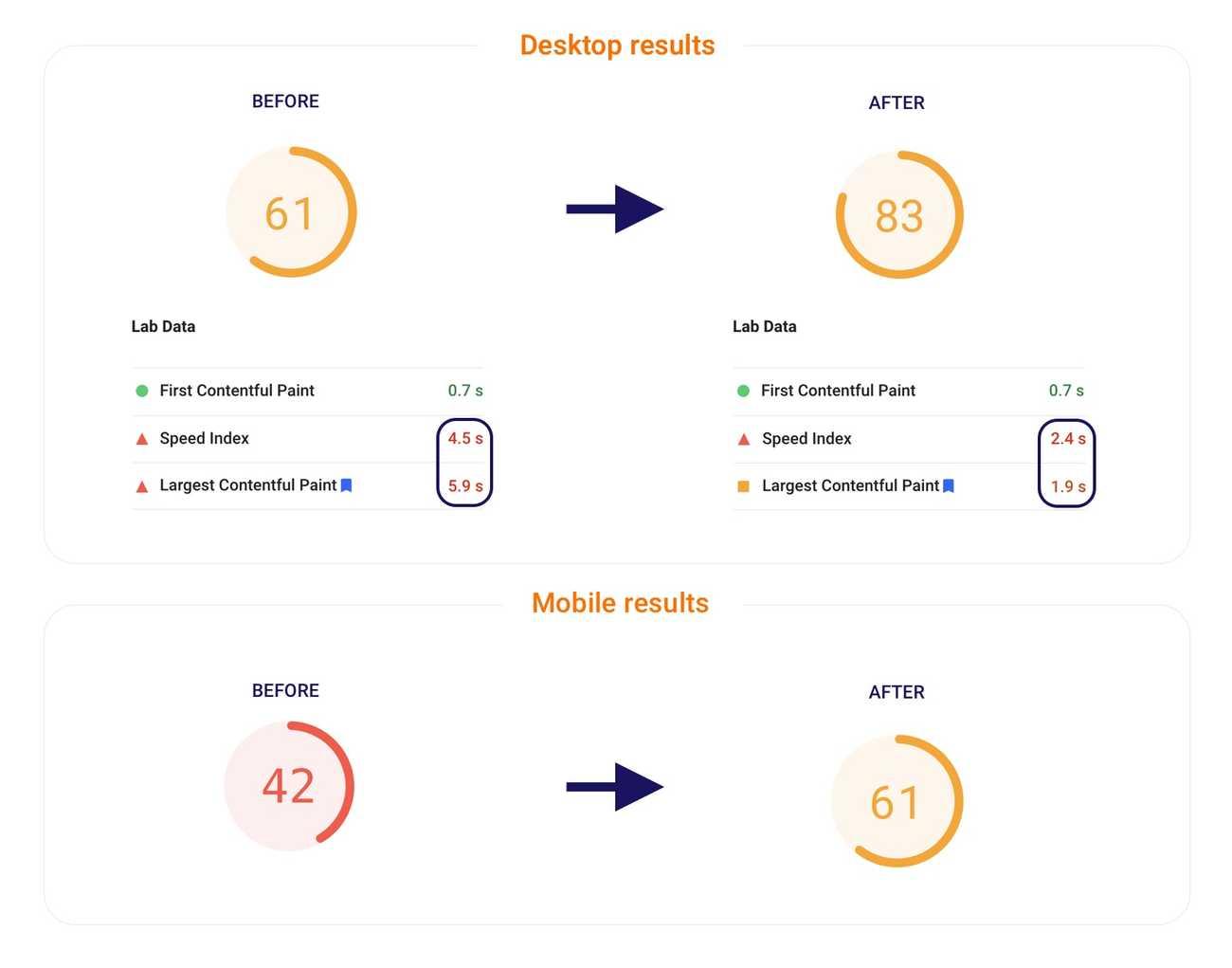
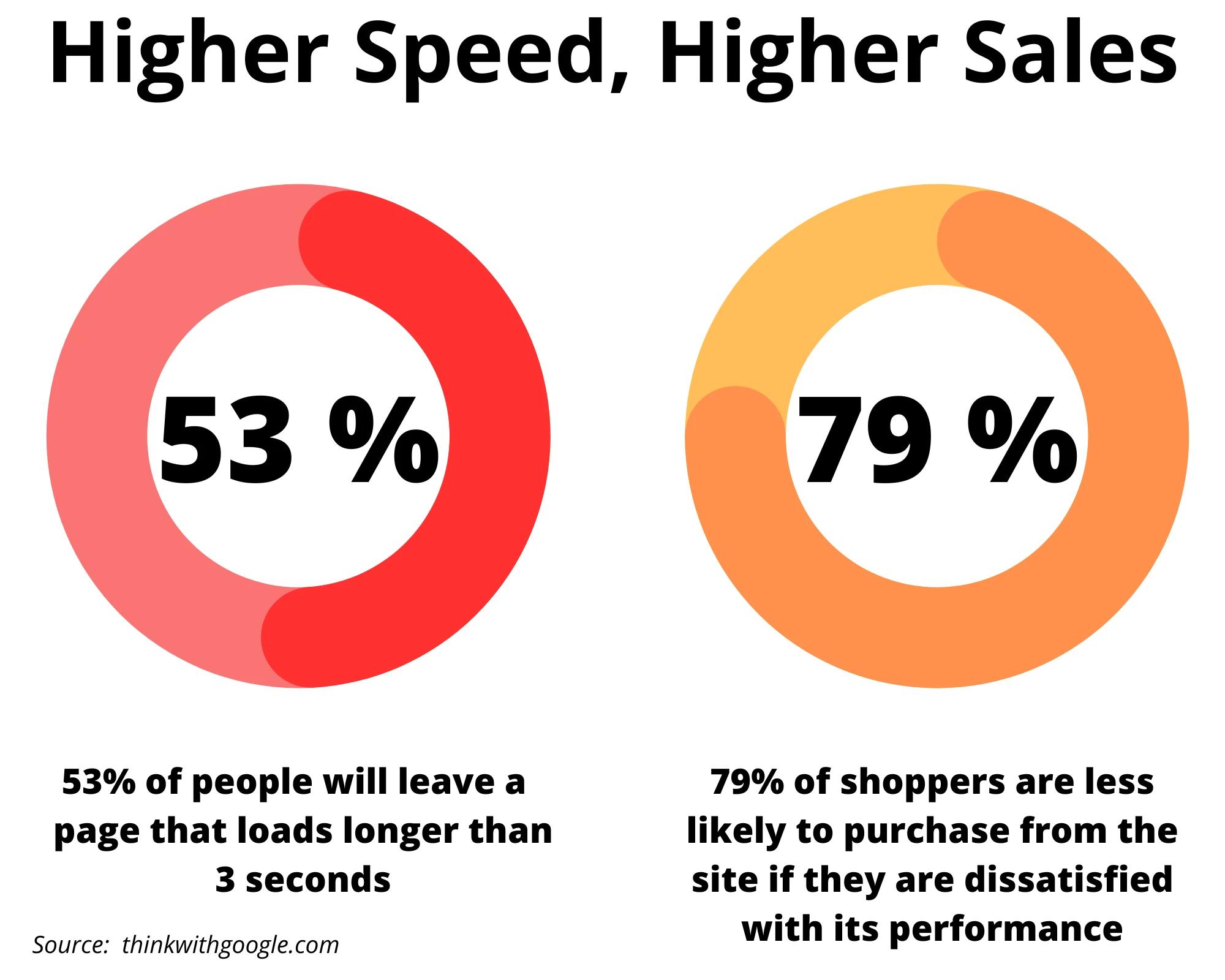
Site speed is not just a technical factor—it’s a business growth driver.
A fast Shopify store improves:
- Conversions
- Customer loyalty
- Search rankings
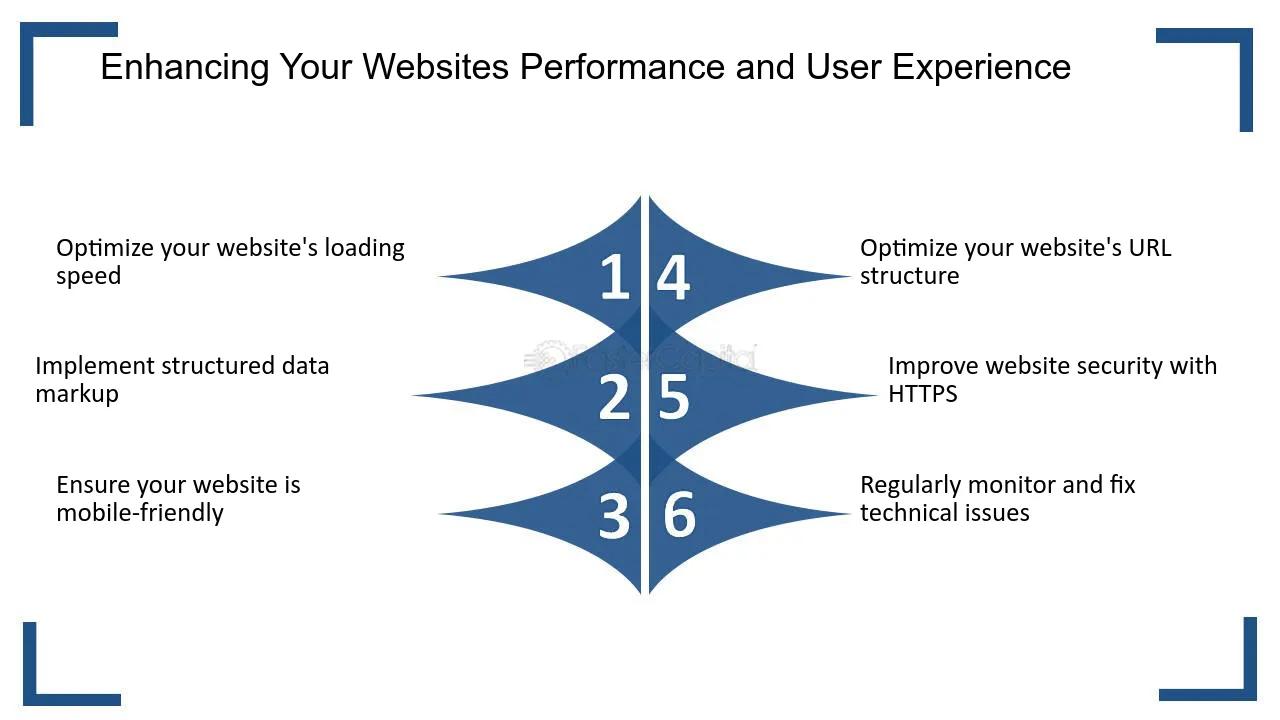
By optimizing your website performance, you create a better experience for users and a stronger foundation for long-term growth.
Related Posts
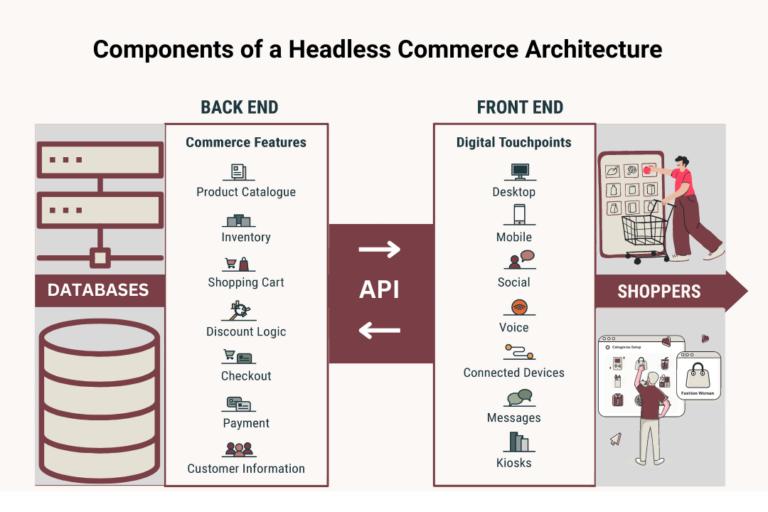
An Extensive Guide to Headless Shopify
Headless Shopify decouples the frontend from the backend, allowing brands to build custom, high-performance storefronts using modern frameworks like React while Shopify handles the commerce engine via APIs. It enables faster, more flexible, and scalable shopping experiences across web, mobile, and other digital platforms.
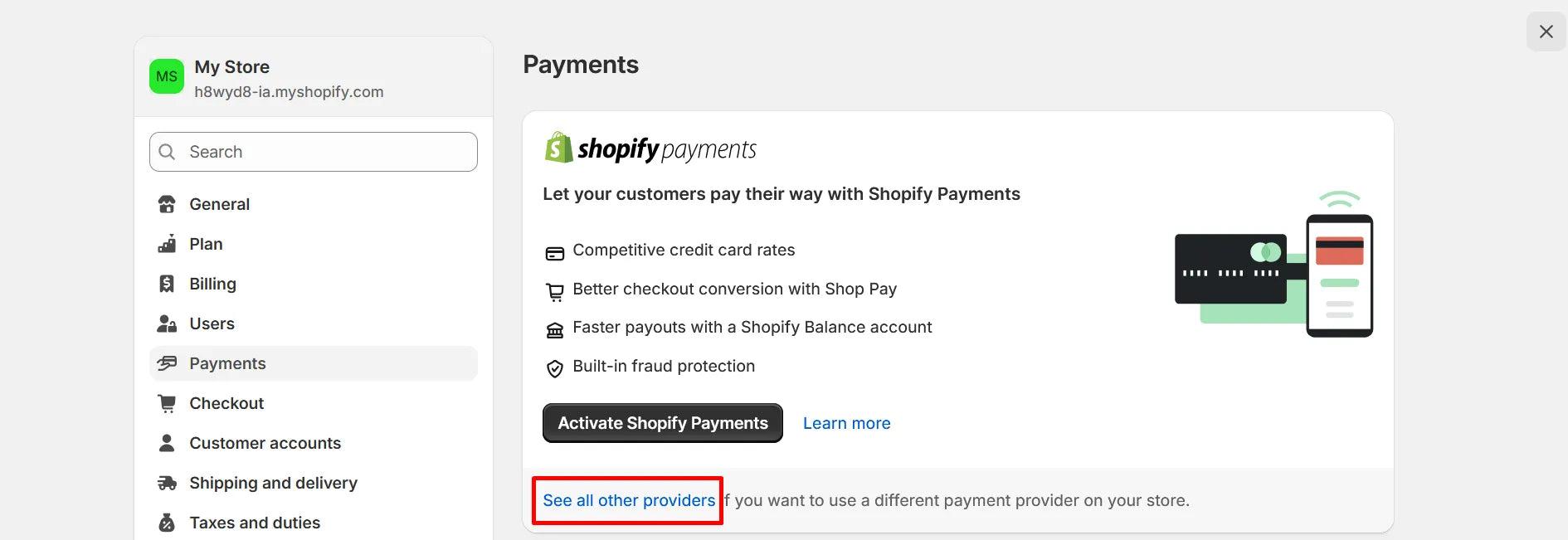
How to Enhance Your Shopify Store with Shopify Payment Gateway
Secure your Shopify store with a seamless payment gateway integration that delivers fast, safe transactions and a frictionless checkout experience for your customers.
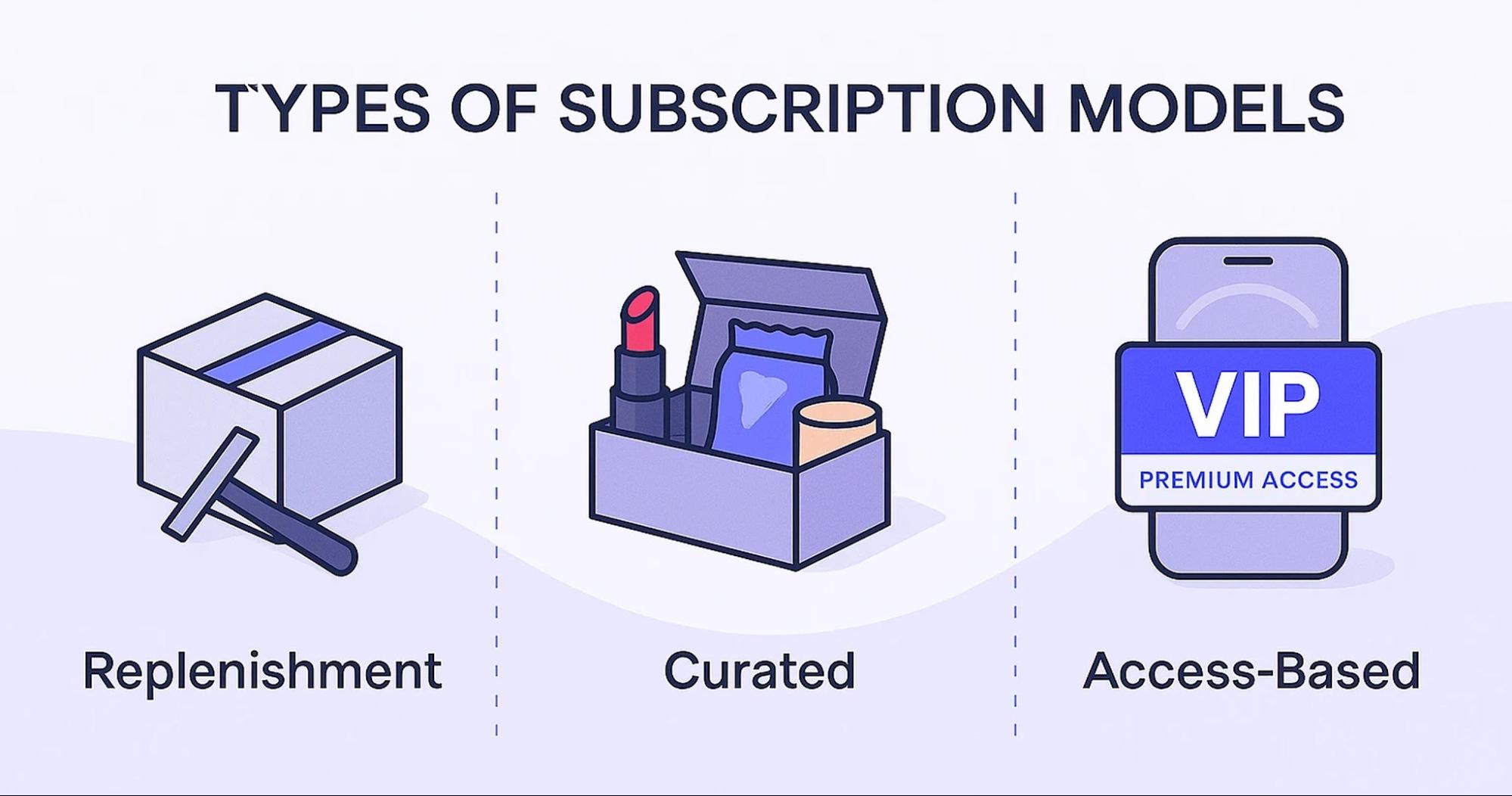
Boost Your Revenue with Recharge App for Shopify
Recurring revenue is a powerful eCommerce strategy where businesses shift from one-time purchases to subscription models for more predictable income and higher customer lifetime value. The Recharge app helps Shopify merchants easily build, manage, and scale subscription-based businesses.
A complete guide to Shopify migration
A web store migration can be a huge hassle, especially if you are working with an inexperienced developer.