
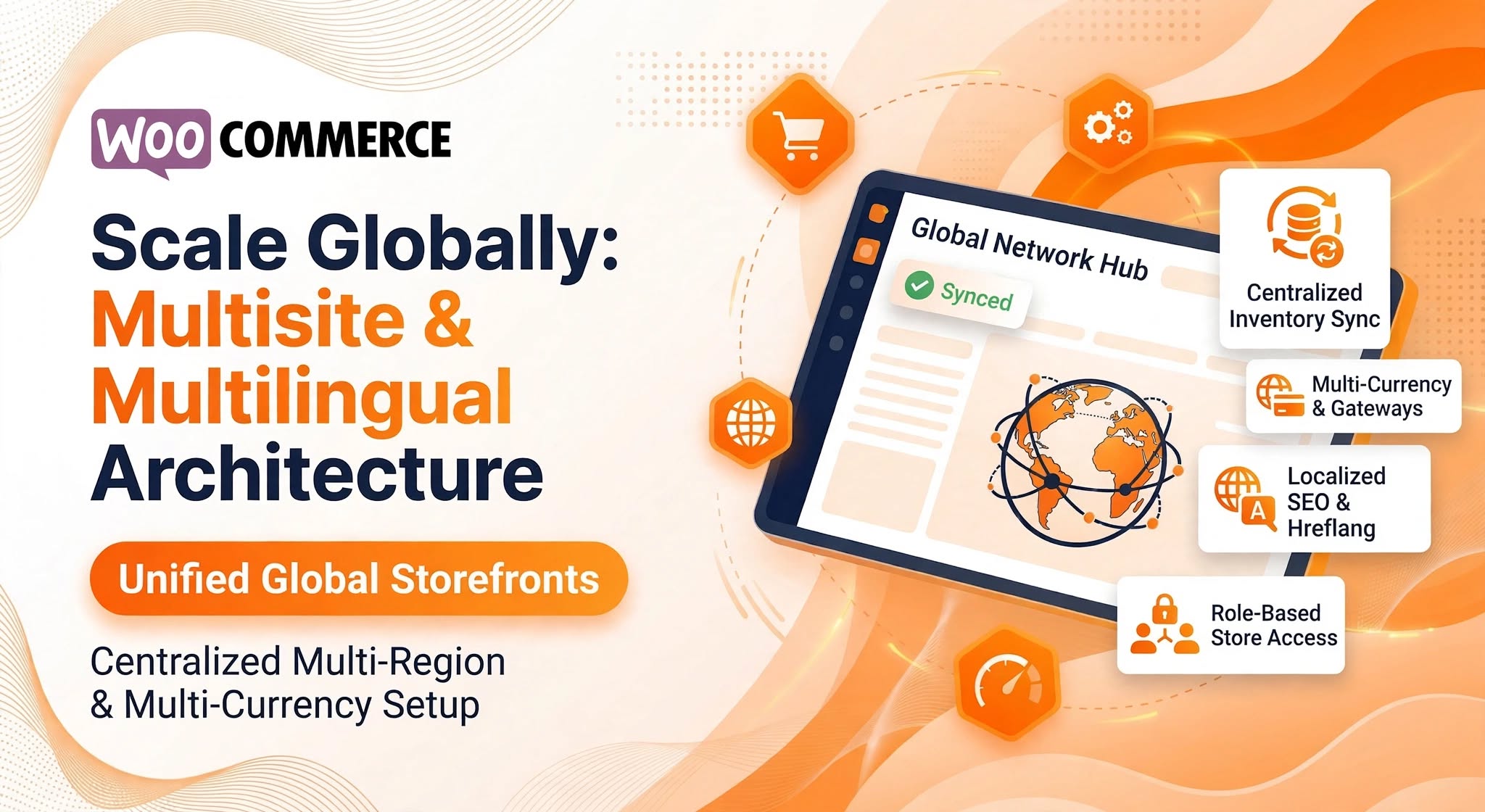
Integrating WooCommerce Multisite & Multilingual Architecture for Global Brands
Expanding an e-commerce brand into new countries, regional markets, or multiple sub-brands introduces complex operational hurdles. Managing separate WordPress installations for every country quickly turns routine catalog updates, plugin patches, and inventory tracking into a maintenance nightmare—while a single unlocalized store often struggles with low conversion rates due to unfamiliar currencies, untranslated checkout flows, and generic shipping rules.
Scaling Across Borders: Integrating WooCommerce Multisite & Multilingual Architecture for Global Brands
Expanding an e-commerce brand into new countries, regional markets, or multiple sub-brands introduces complex operational hurdles. Managing separate WordPress installations for every country quickly turns routine catalog updates, plugin patches, and inventory tracking into a maintenance nightmare—while a single unlocalized store often struggles with low conversion rates due to unfamiliar currencies, untranslated checkout flows, and generic shipping rules.
We architect and integrate WordPress Multisite and Multilingual WooCommerce ecosystems so growing brands can run localized regional storefronts without fragmenting their backend operations. Rather than maintaining disconnected websites, we build unified infrastructures tailored to your exact expansion model.
Choosing the Right Global Architecture: Multisite vs. Multilingual Integration
Every international or multi-brand store has different operational requirements. Before writing a single line of code, we map your business model to the right architectural integration:
Multilingual Single-Store Integration (WPML / Polylang + Multi-Currency): Best for a single brand selling the same core catalog across multiple languages and regions. Shoppers automatically see translated product descriptions, localized URLs (hreflang), regional tax rules, and native currencies while your team manages one unified order dashboard.
WordPress Multisite Network Integration: Best when your business operates distinct regional storefronts (e.g., .co.uk, .de, .us), separate B2B and B2C portals, or multiple sister brands that require independent payment gateways, region-specific catalogs, or localized promotions—all powered by one shared codebase and super-admin dashboard.
Hybrid Multisite & Multilingual Setup: Ideal for enterprise brands running separate regional hubs (such as North America, Europe, and APAC) where each regional hub supports multiple local languages and currencies.
Core Integration Workflows We Build for Global Stores
Simply installing a translation or multisite plugin isn’t enough for a high-volume store. We engineer deep integrations across your catalog, pricing, and fulfillment layers:
1. Centralized Product & Inventory Synchronization
When you sell the same SKU across multiple regions or sub-sites, stock mismatches lead to overselling and canceled orders.
The Integration: We connect your Multisite sub-stores or regional catalogs to a centralized inventory source—whether through custom cross-site stock sync hooks or direct ERP/REST API bridges. When an item sells on your UK storefront, stock levels automatically decrement across your EU and US storefronts in real time.
2. Geolocation Routing, Multi-Currency & Regional Gateways
International customers abandon carts when forced to calculate exchange rates or when their preferred local payment method is missing at checkout.
The Integration: We integrate automatic IP-based geolocation detection paired with clean currency and region switchers. Depending on the customer’s region, we dynamically route checkout sessions to the appropriate local payment processors (such as Stripe, PayPal, Klarna, iDEAL, or Razorpay) and apply accurate regional tax rules (VAT, GST, or state sales tax) automatically.
3. Localized SEO & International URL Structures
Duplicate content penalties and poorly indexed regional pages can cripple international organic traffic.
The Integration: We configure clean domain mapping (country-code domains like .sg and .co.uk, subdomains, or subdirectories) with automated hreflang tag generation, localized Schema.org product structured data, and region-specific XML sitemaps so search engines serve the exact right storefront to each market.
4. Role-Based Regional Team Permissions
Global brands rarely rely on a single person to manage every market.
The Integration: We configure granular user roles and permissions across your Multisite or multilingual environment. Regional marketing managers can update local banners, translations, and seasonal pricing for their specific territory without risking accidental changes to global theme files, checkout logic, or other regional stores.
Performance & Maintenance Standards We Enforce
Multi-region and multilingual setups execute more database queries than single-language stores. To keep page loads fast across continents, we implement:
Object Caching & Query Optimization: Minimizing translation lookup overhead and cross-site database calls so product pages and carts stay responsive under peak traffic.
Unified Codebase & Staging Workflows: Maintaining one shared theme and core plugin stack across the network, allowing us to test updates on a staging environment and deploy improvements across all regional stores simultaneously.
Ready to Take Your Store Global?
Expanding into new regions or launching multiple storefronts shouldn’t multiply your operational workload. By integrating WordPress Multisite, multilingual workflows, and localized payment systems into one cohesive architecture, we help you deliver a native shopping experience in every market you serve.
Planning an international expansion or multi-store rollout? Let’s design a scalable WooCommerce architecture built for global growth. Contact us today!
Related Posts
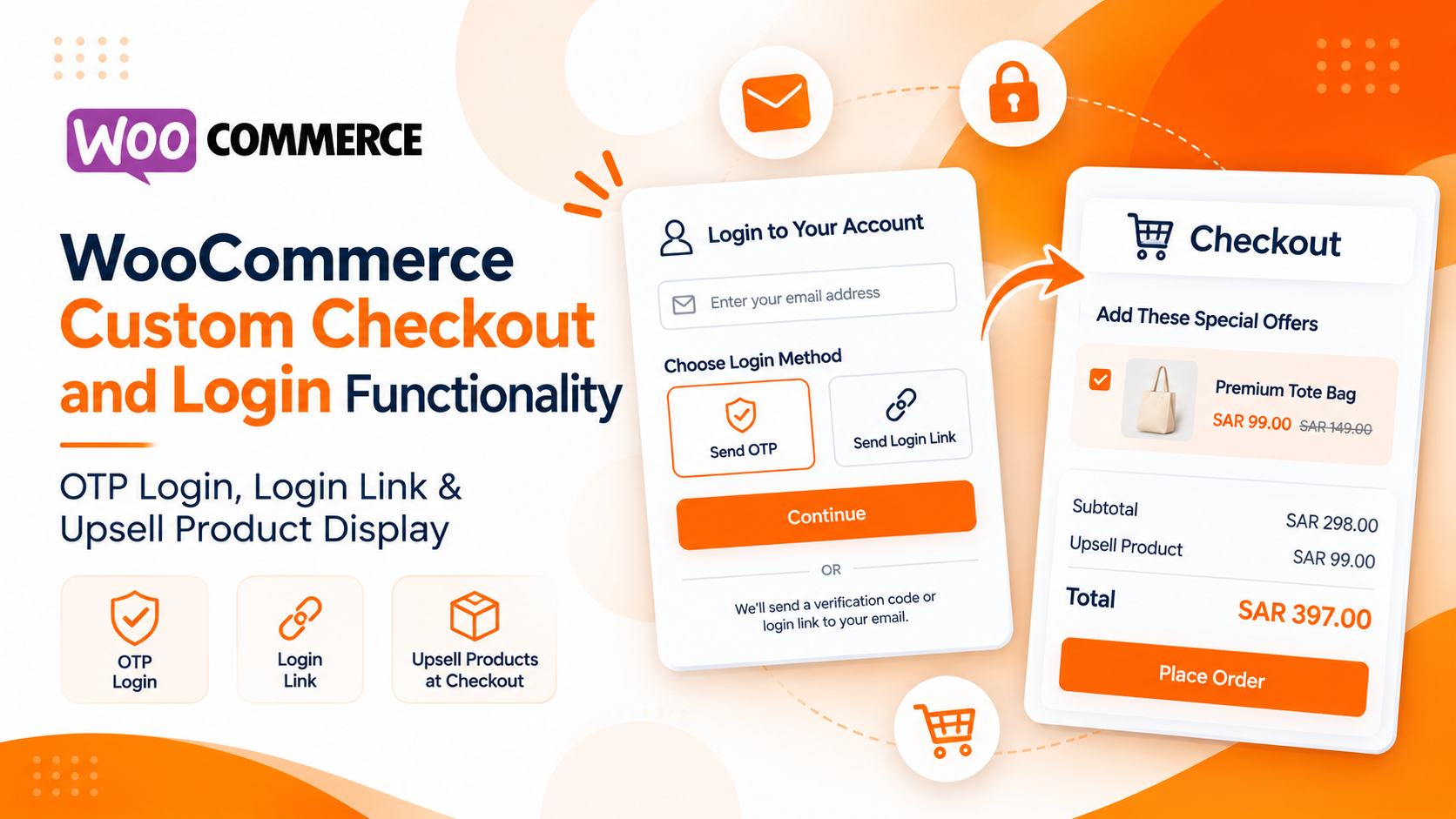
Custom WooCommerce Checkout: OTP Login, Magic Links & Smart Product Upsells
Reduce login friction and boost average order value in WooCommerce with passwordless Email OTP, Magic Login Links, and dynamic one-click checkout upsell recommendations.
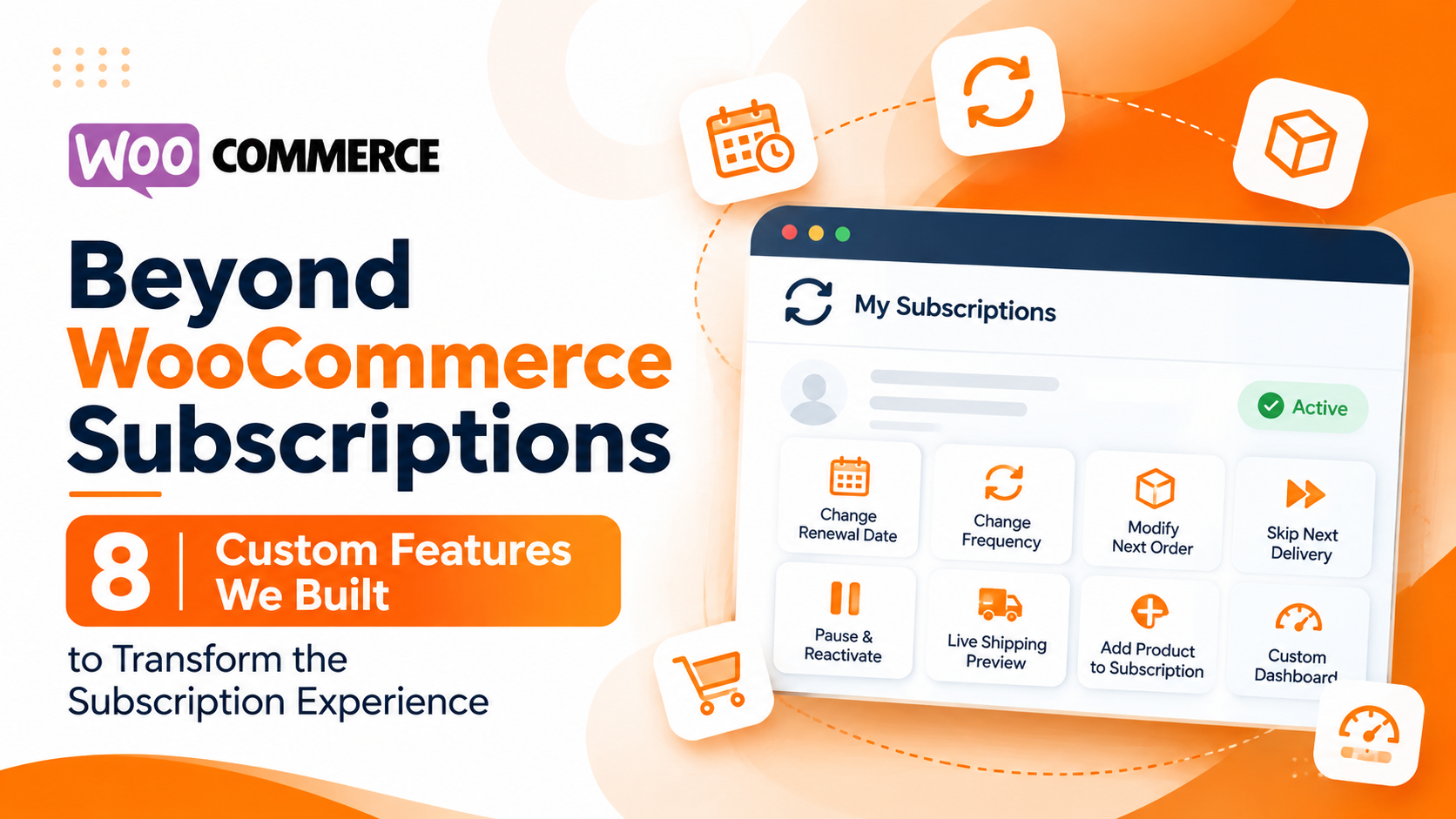
Beyond WooCommerce Subscriptions
WooCommerce provides a powerful foundation for eCommerce businesses. With the WooCommerce Subscriptions extension, store owners can manage recurring payments, automate renewals, and offer subscription-based products.
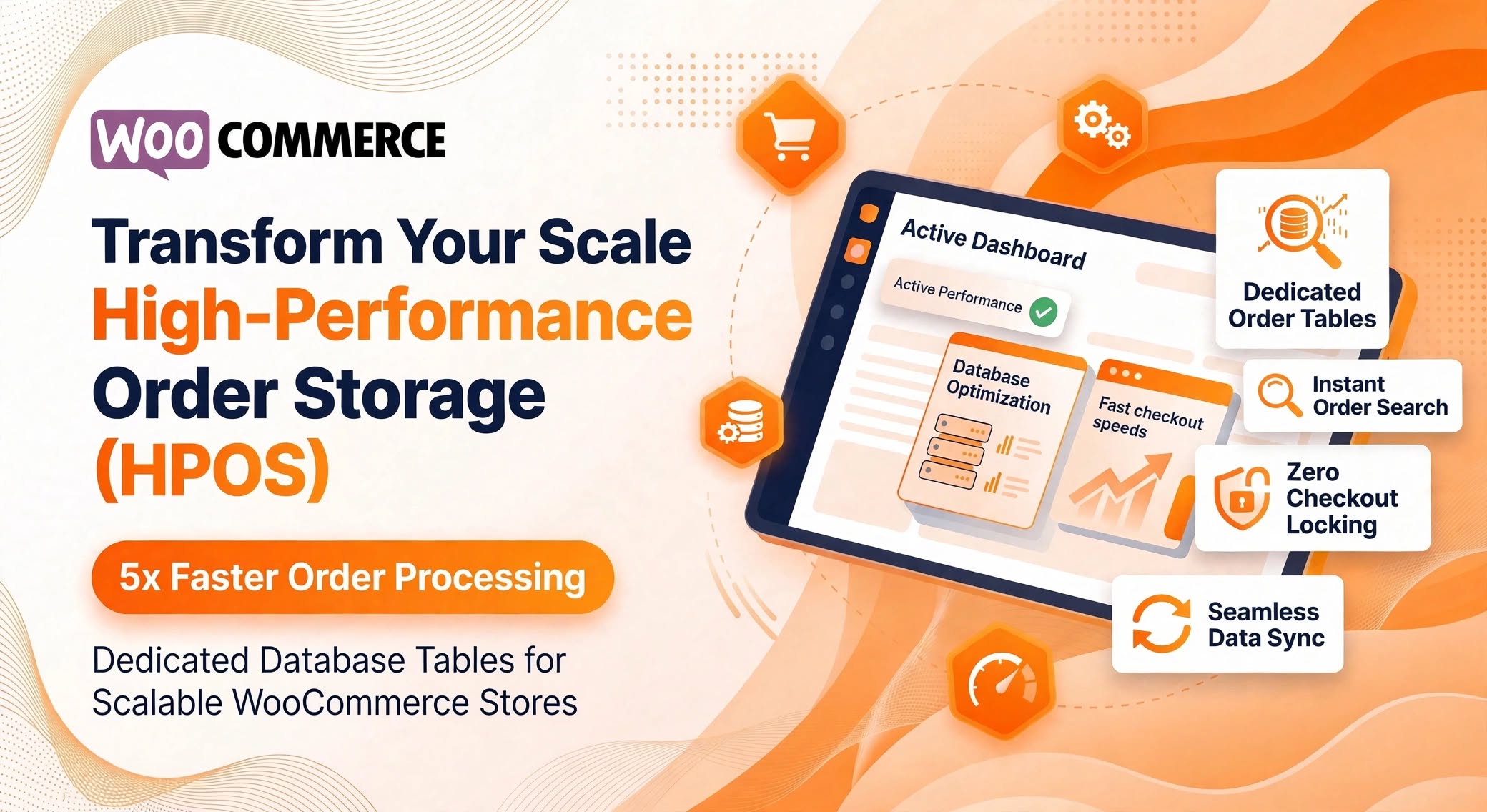
WooCommerce High-Performance Order Storage (HPOS)
As an eCommerce store grows from hundreds of orders to tens of thousands, database bottlenecks quickly become the biggest threat to checkout speed and admin responsiveness. Historically, WooCommerce relied on WordPress’s default post architecture (wp_posts and wp_postmeta) to store order records. While convenient in the early days of WordPress eCommerce, this structure was never designed for high-concurrency transactional data.
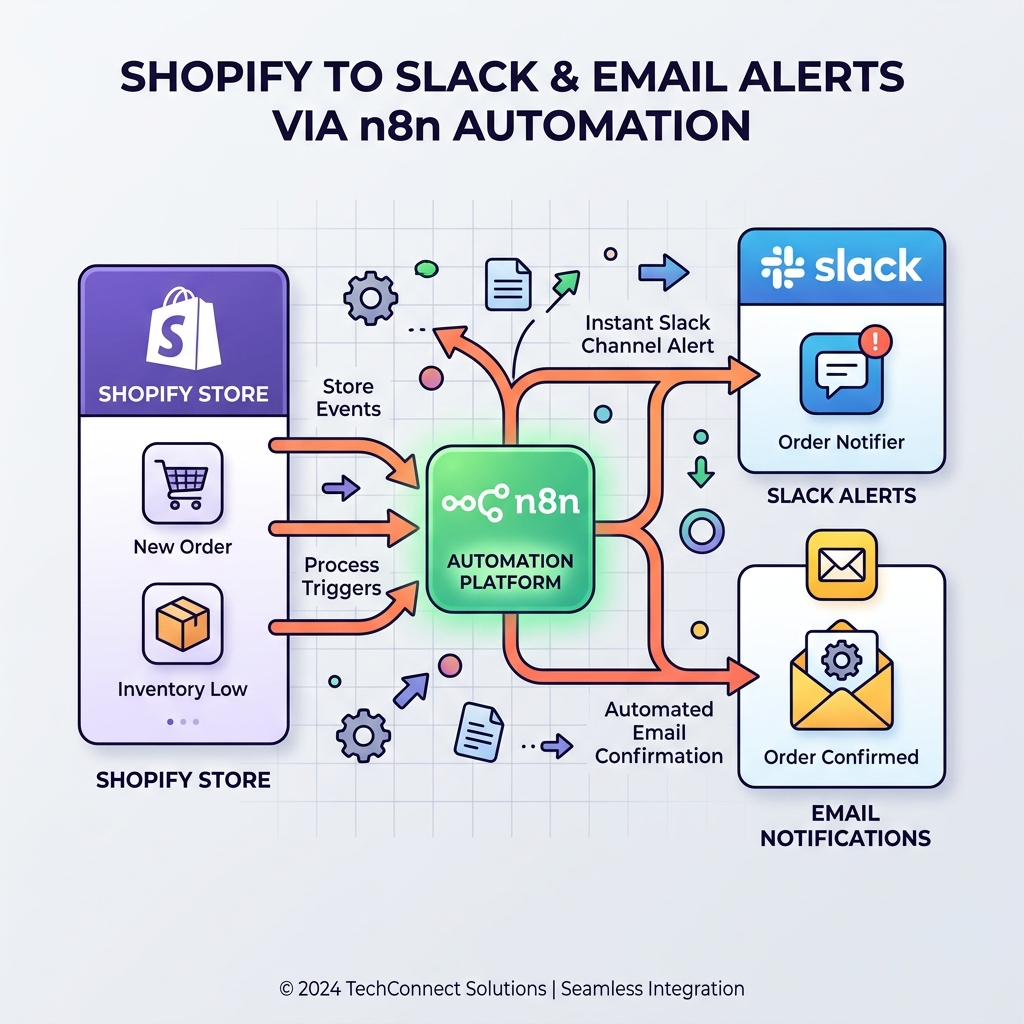
Monitor Shopify orders and send no-order alerts via Slack and email
Never miss a revenue-impacting failure. This n8n workflow monitors your Shopify store and triggers an alert if X minutes pass without a single new order.