

How Investing in SEO Can Grow Your Shopify Store Traffic
Investing in SEO helps your Shopify store attract more organic traffic, improve search rankings, and drive sustainable growth. Unlike paid advertising, SEO delivers long-term results that continue to generate visitors and sales over time.
Introduction to Shopify SEO
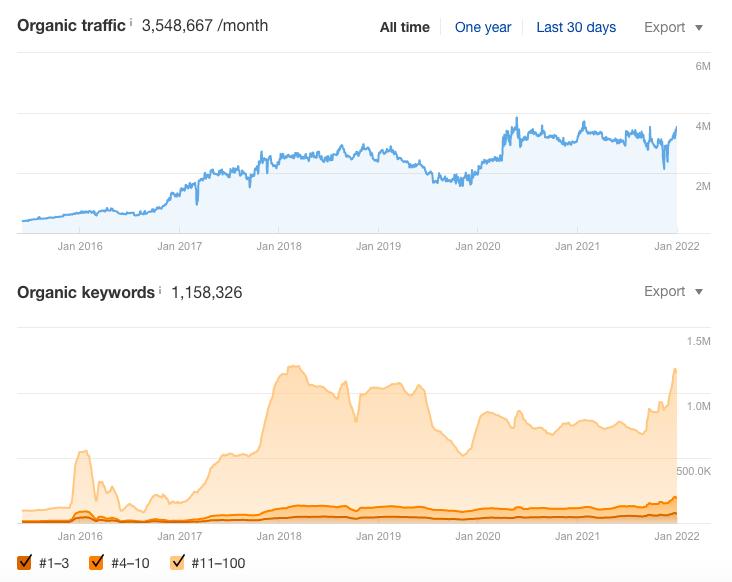
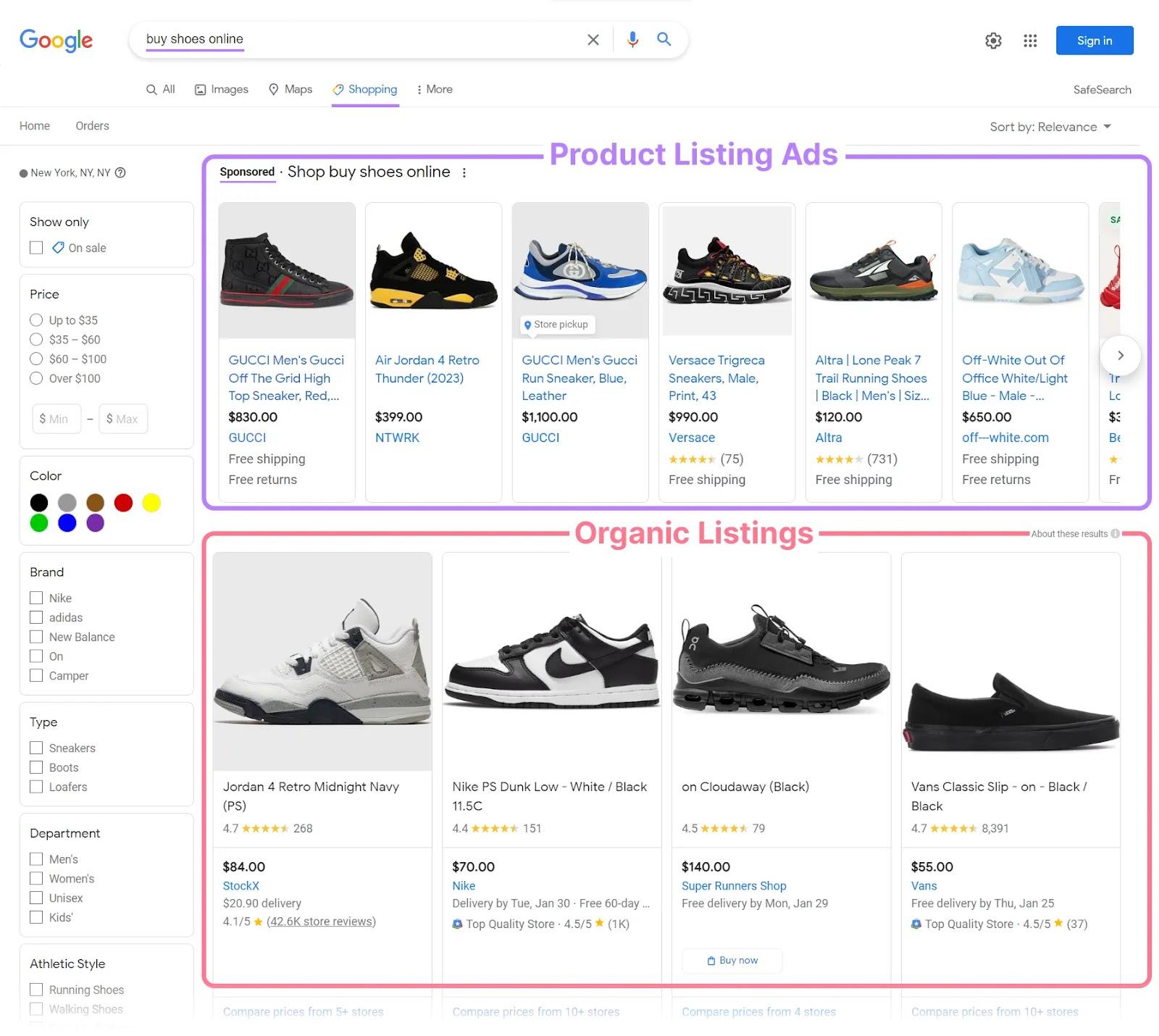
Search Engine Optimization (SEO) is one of the most powerful ways to drive consistent, high-quality traffic to your Shopify store. Unlike paid ads, SEO delivers long-term, compounding growth without ongoing ad spend.
Shopify SEO involves optimizing your store’s structure, content, and performance so it ranks higher on search engines like Google.
Why SEO is Critical for Shopify Growth
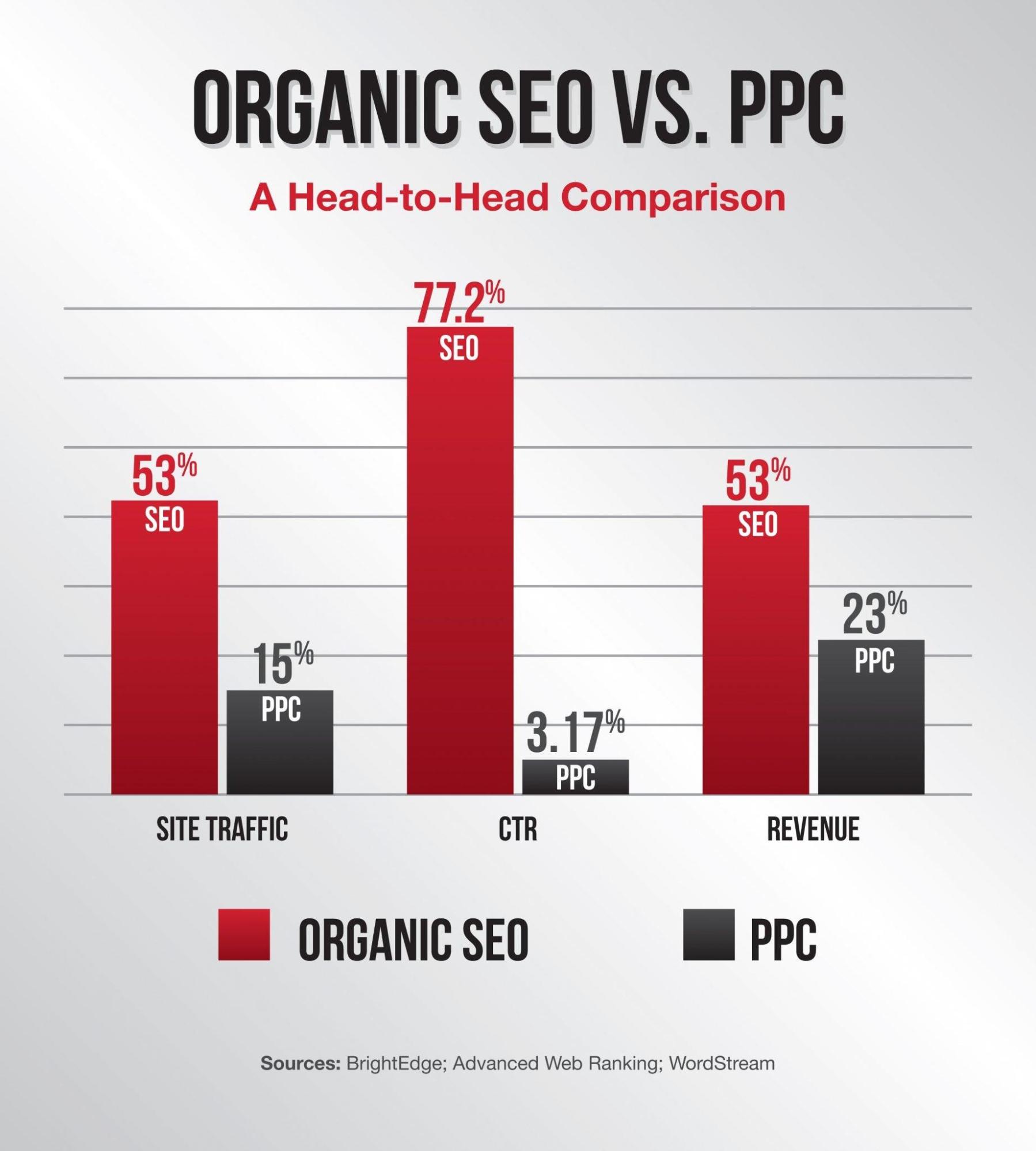
SEO helps your business:
- Generate consistent organic traffic
- Reduce dependency on paid ads
- Attract high-intent buyers
- Build long-term brand authority
Unlike ads, SEO keeps working even when you stop investing heavily.
How Shopify SEO Works
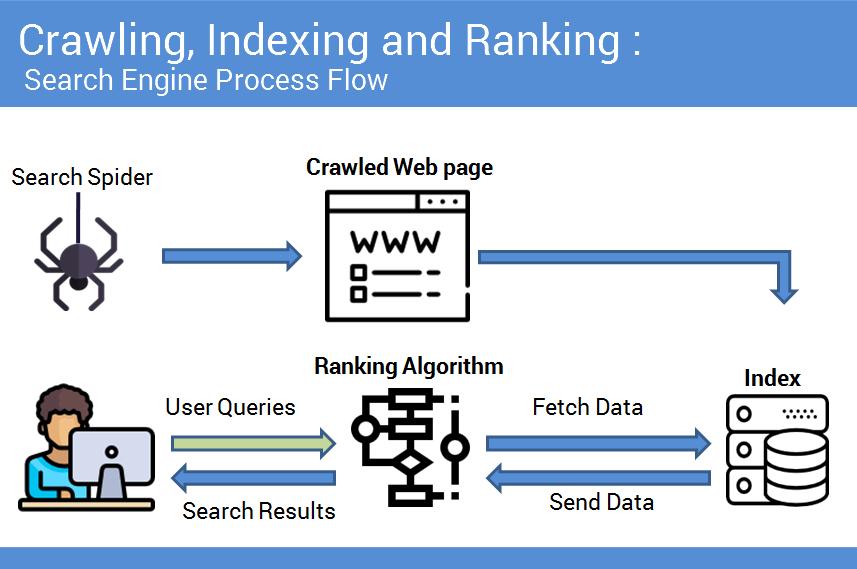
SEO works in three main steps:
- Crawling – Search engines scan your site
- Indexing – Pages are stored in search results
- Ranking – Pages appear based on relevance and authority
Your goal is to make your Shopify store easy to crawl, relevant to search queries, and authoritative.
Shopify SEO Checklist (Priority-Based)
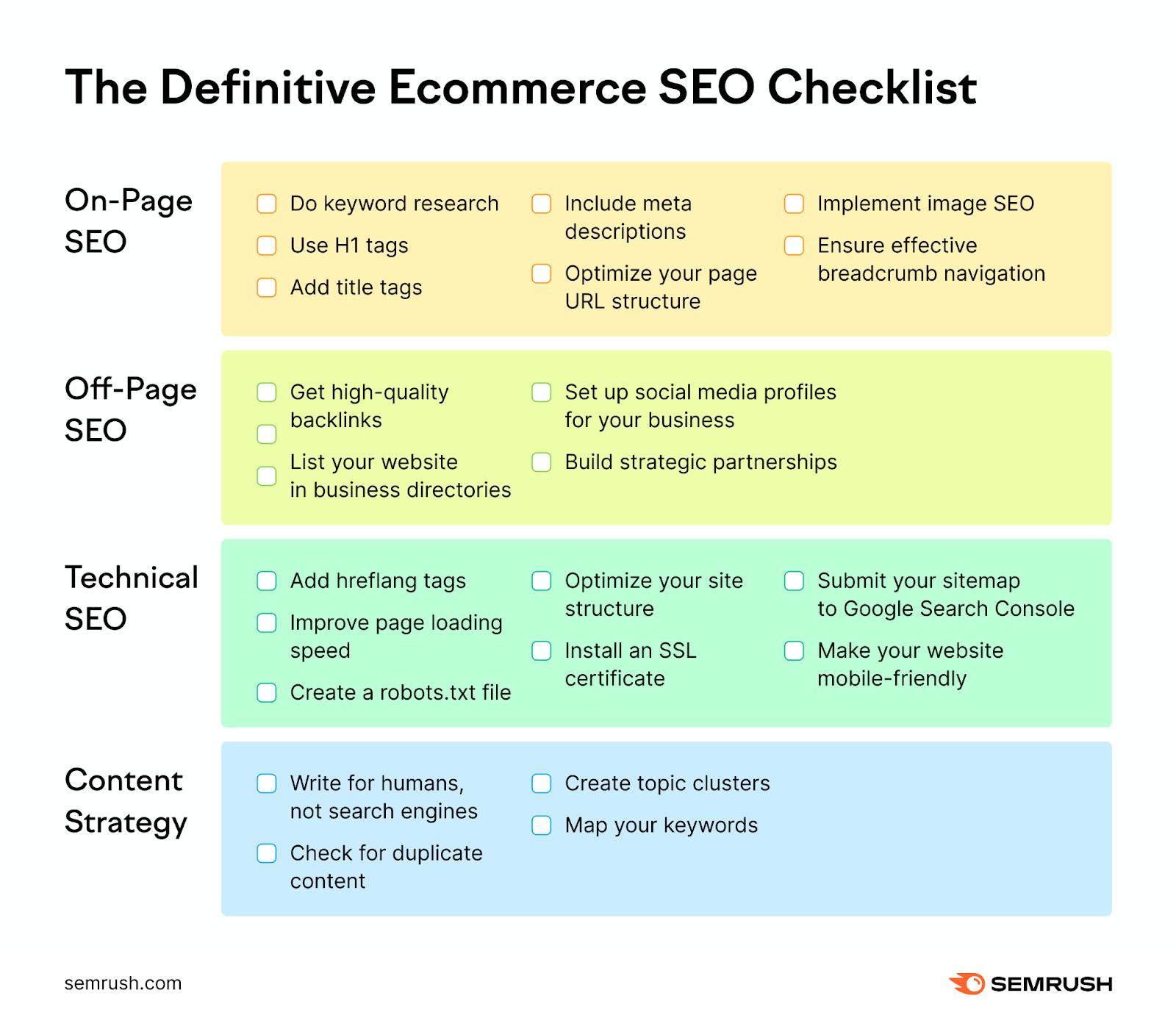
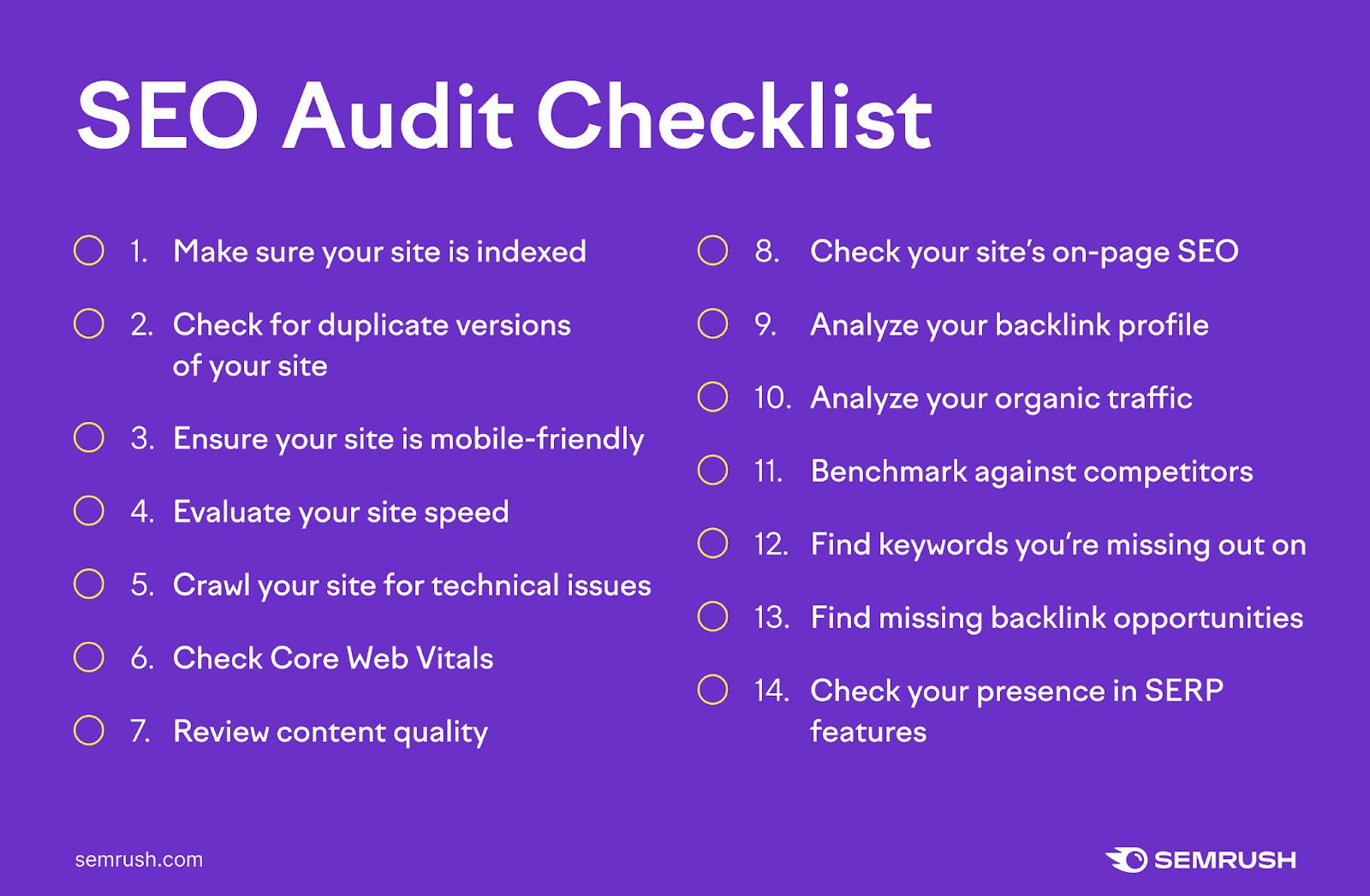
High Priority (Must Do)
- Setup Google Analytics & Search Console
- Submit sitemap (yourstore.com/sitemap.xml)
- Fix crawl errors
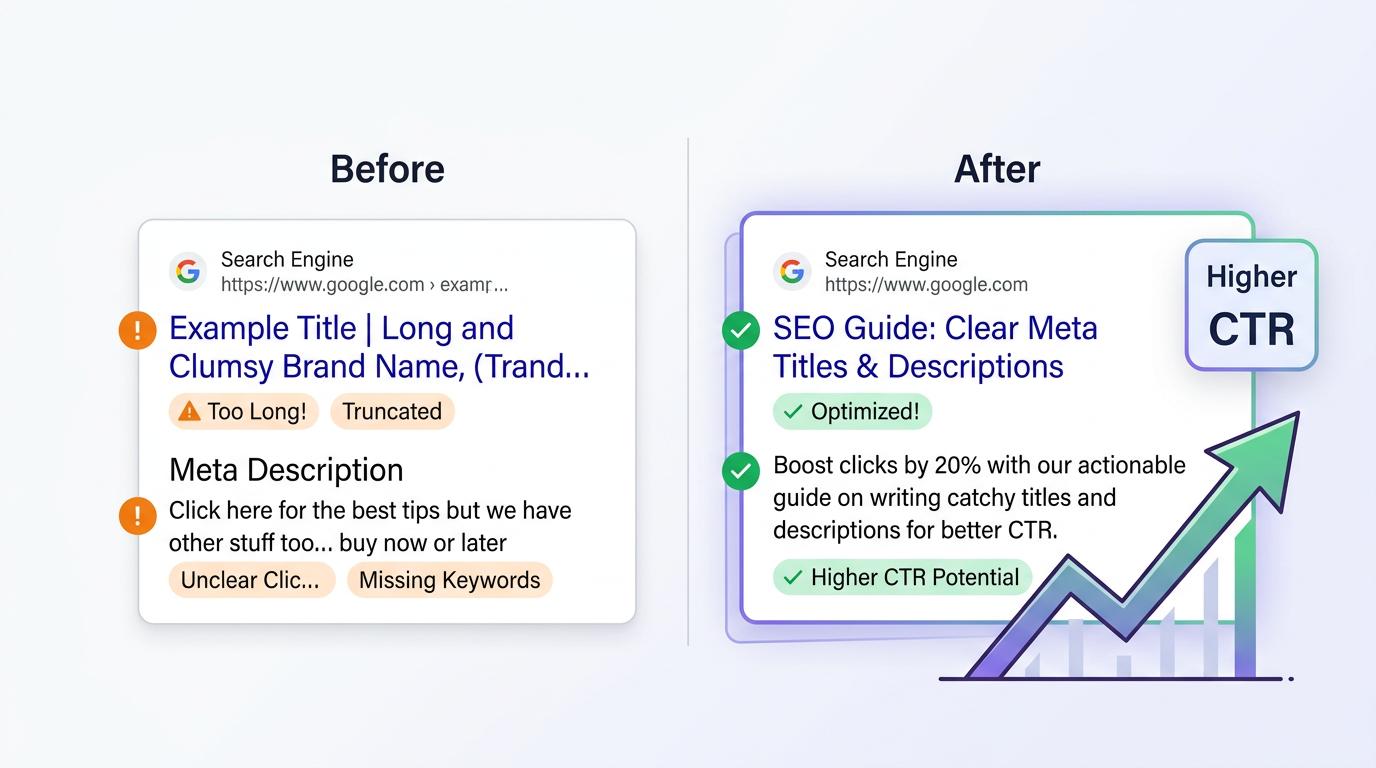
- Optimize titles, meta descriptions, URLs
Medium Priority
- Add structured data (Product, Article)
- Compress images
- Improve page speed
Advanced
- Remove duplicate content
- Optimize internal linking
- Handle product variants properly
Keyword Research Strategy
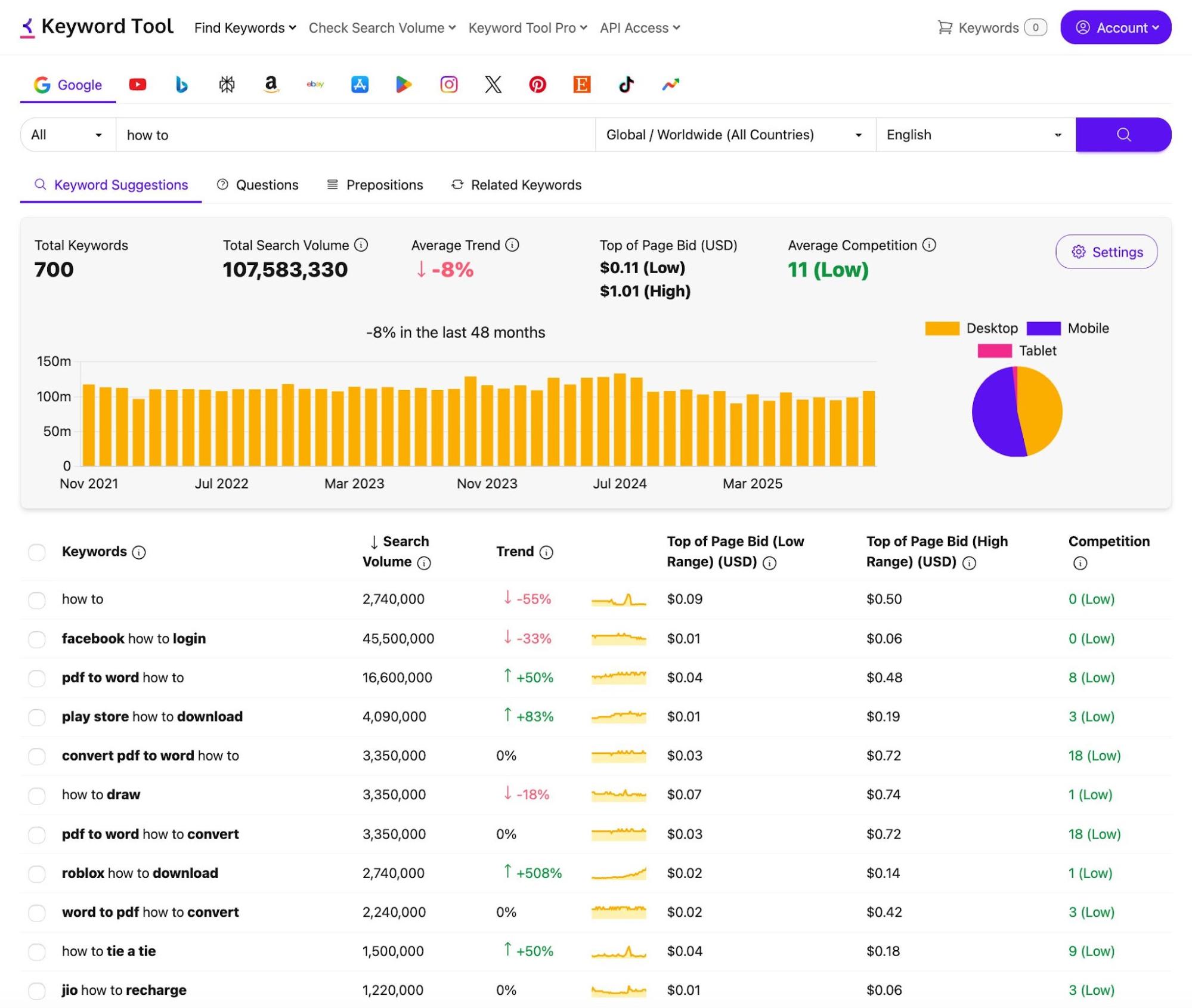
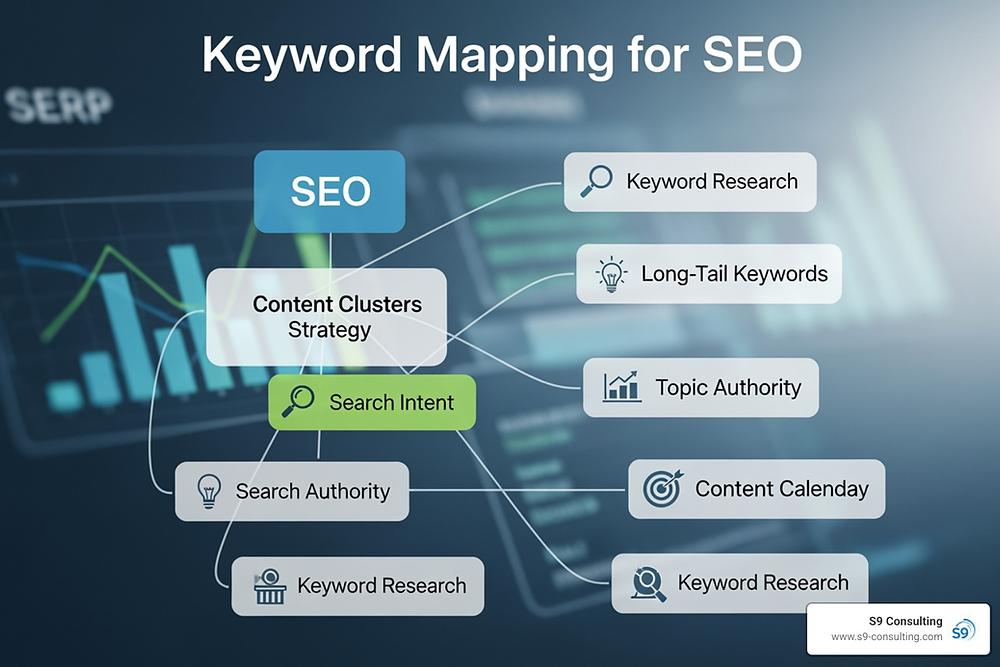
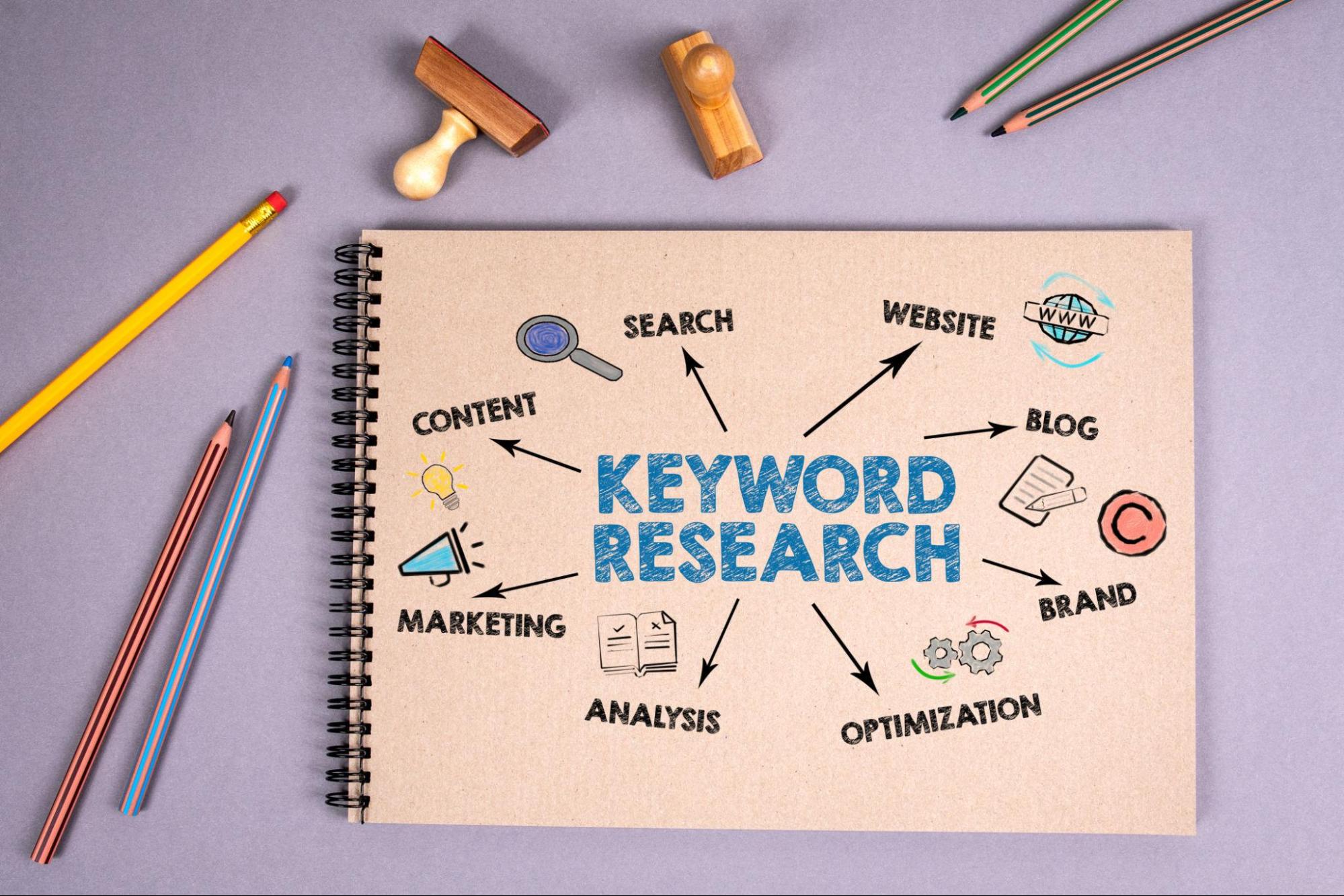
Keyword research is the foundation of SEO.
Types of Keywords:
- Informational: “What is aromatherapy?”
- Commercial: “Best aromatherapy oils”
- Transactional: “Buy aromatherapy oils”
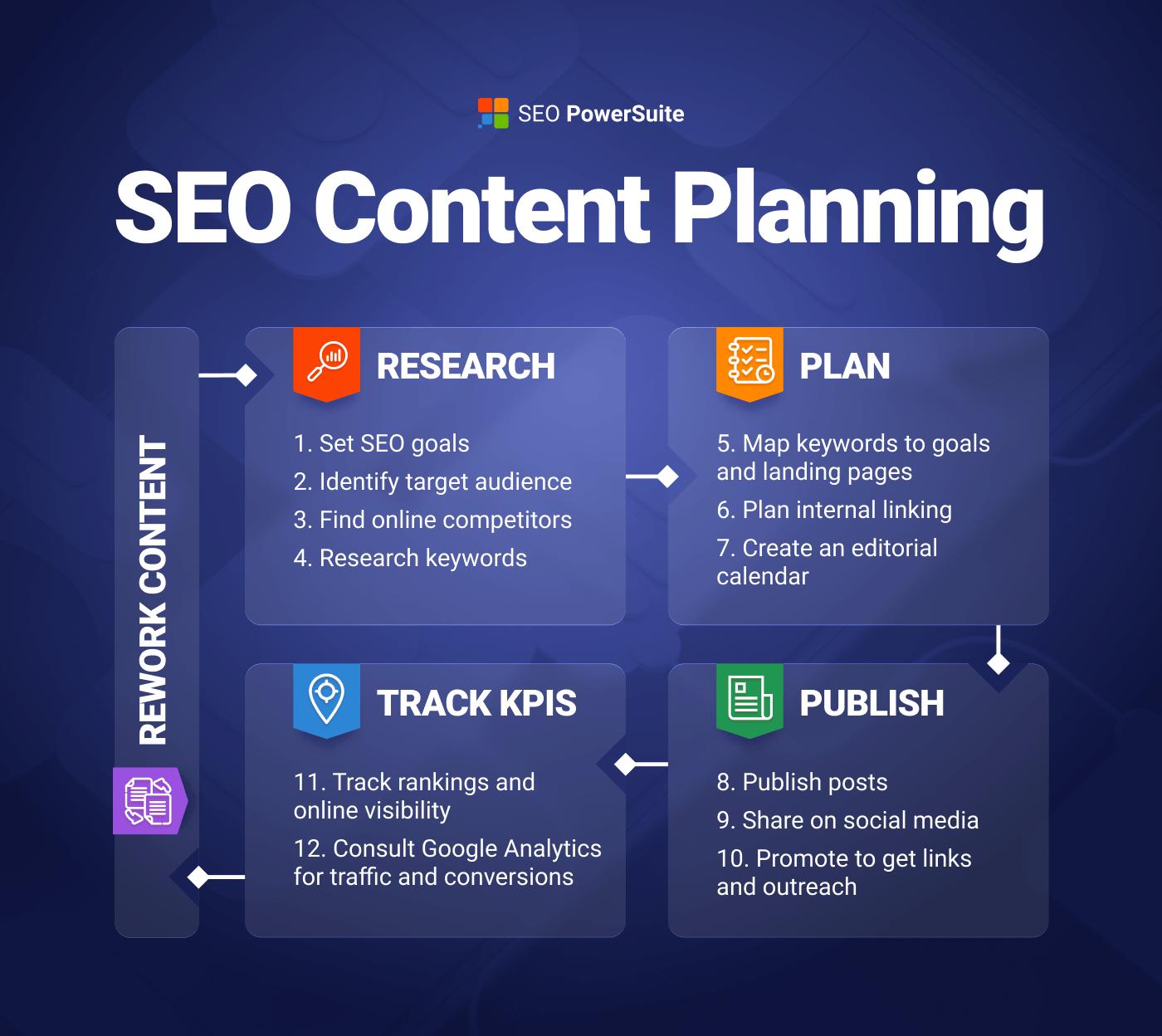
Map keywords to pages:
- Blog → informational
- Product → transactional
- Collection → commercial
On-Page SEO Optimization
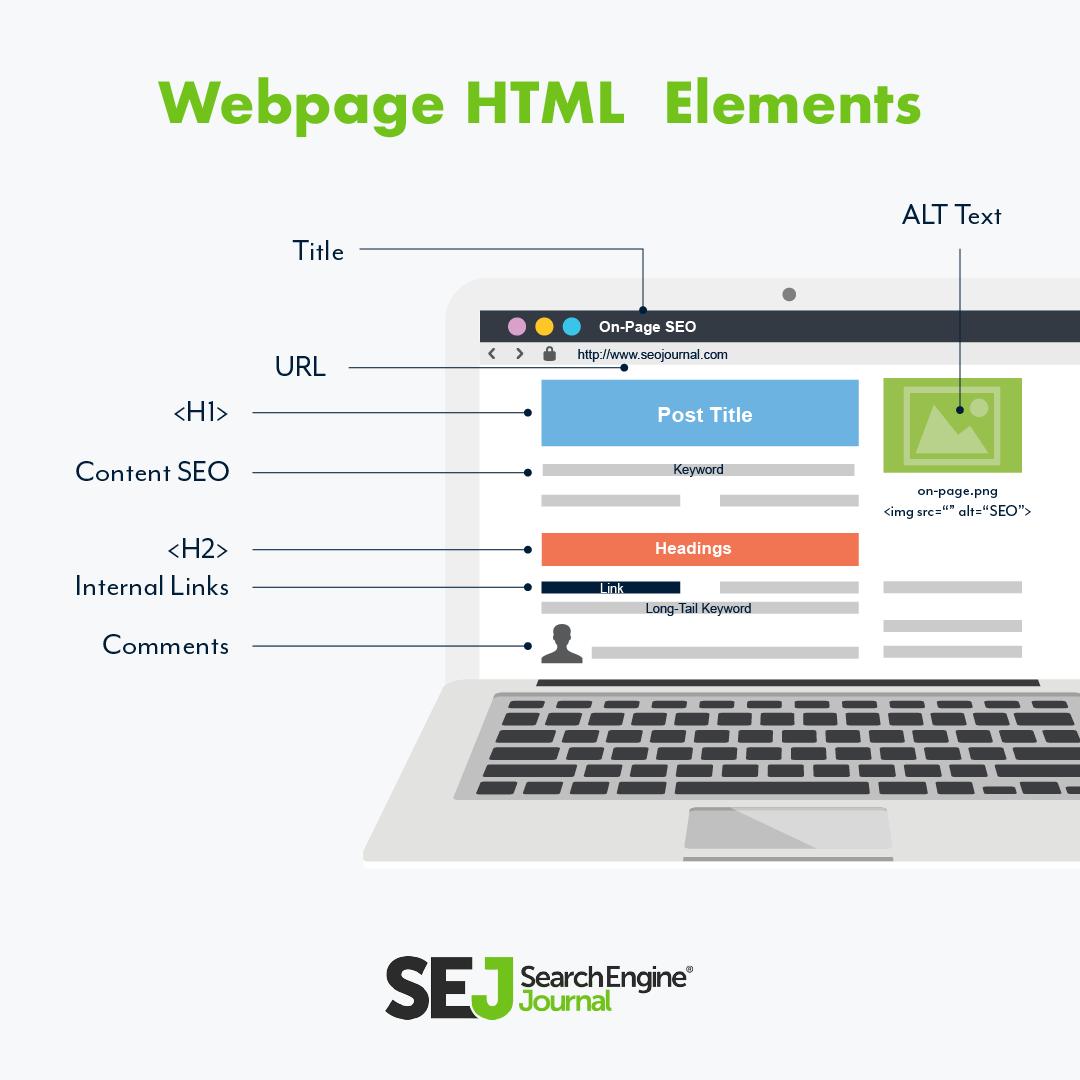
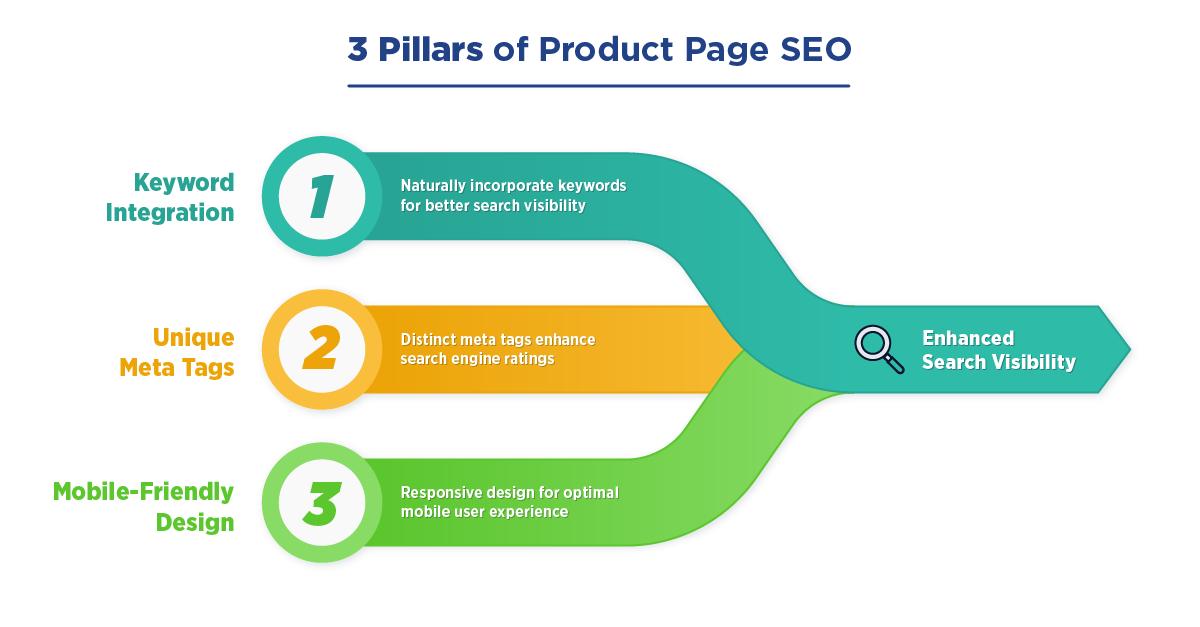
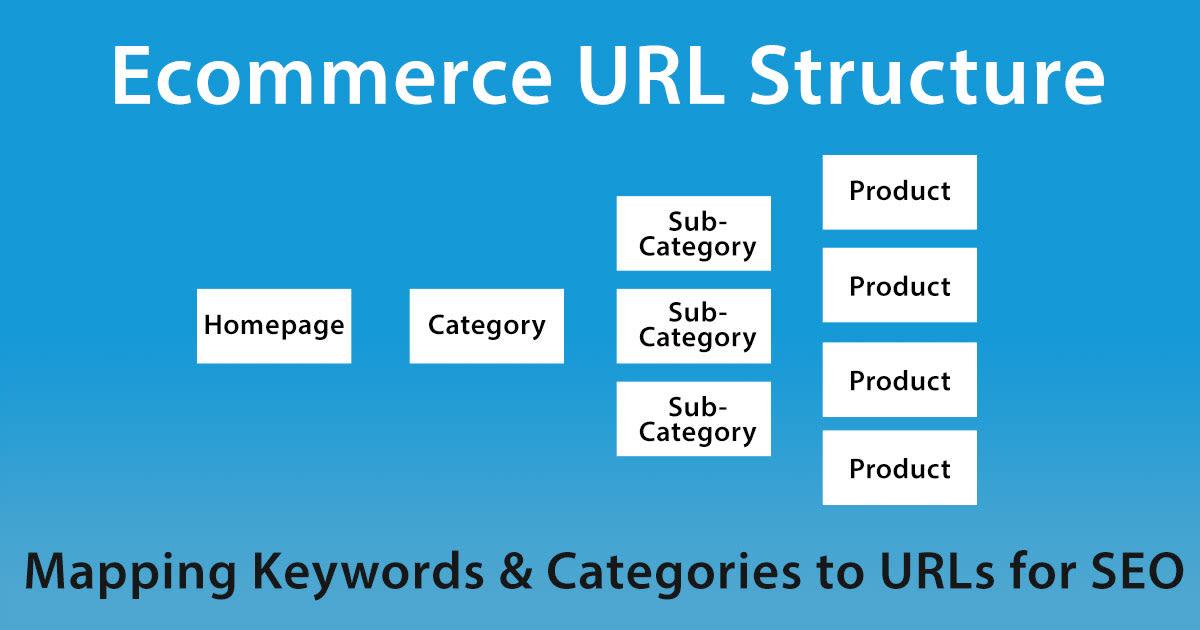
Optimize each page:
- Use one H1 tag per page
- Keep titles under 60 characters
- Write meta descriptions under ~155 characters
- Use keywords in URLs
- Add alt text to images
Well-optimized pages improve rankings and click-through rates.
Content Strategy for Shopify SEO
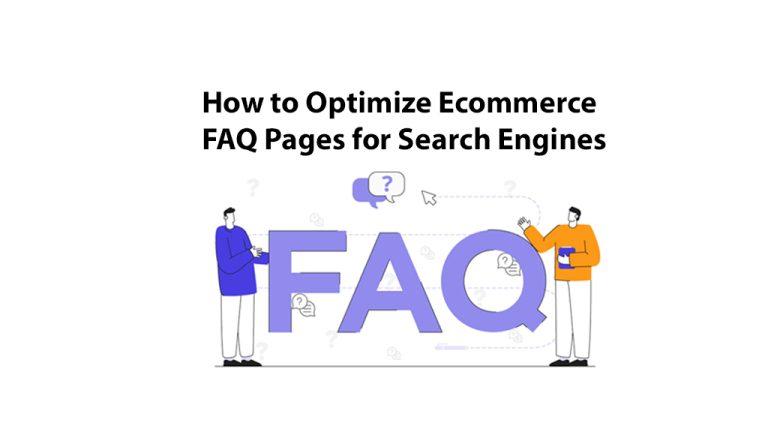
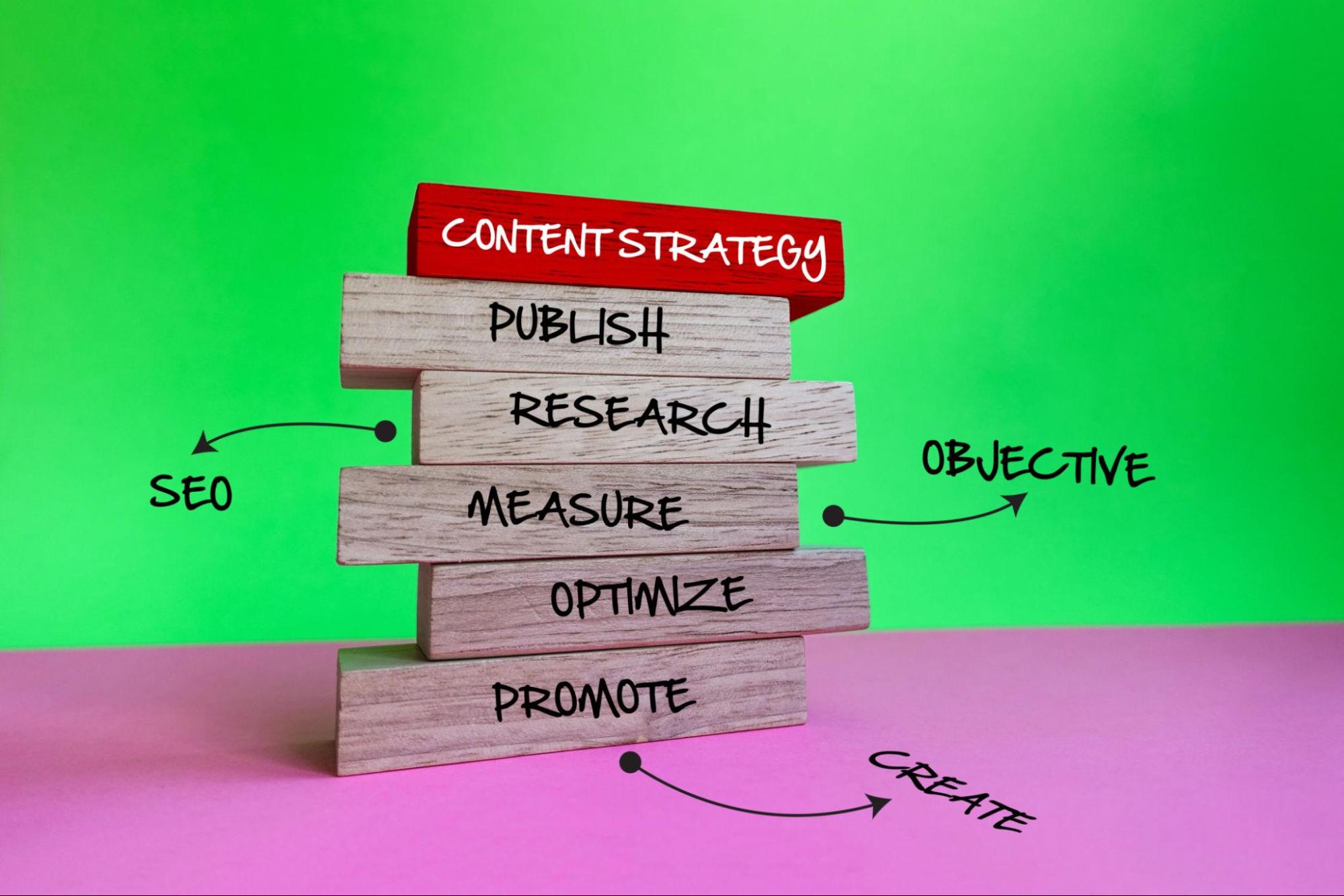
Content drives organic traffic.
Best Practices:
- Create blog posts (500+ words)
- Answer customer questions
- Write unique product descriptions
- Add product reviews
Content builds topical authority and trust.
Link Building & Authority
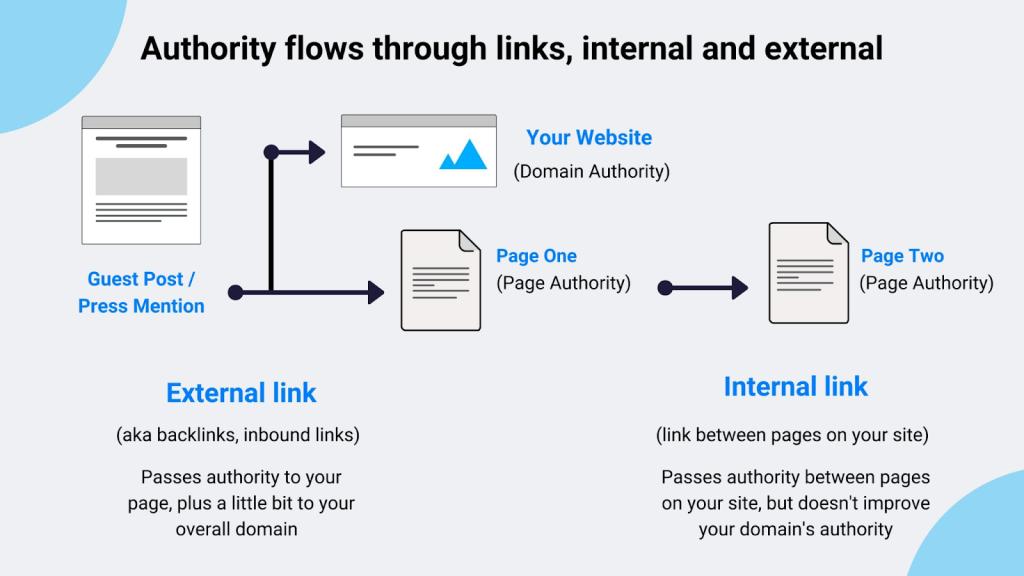
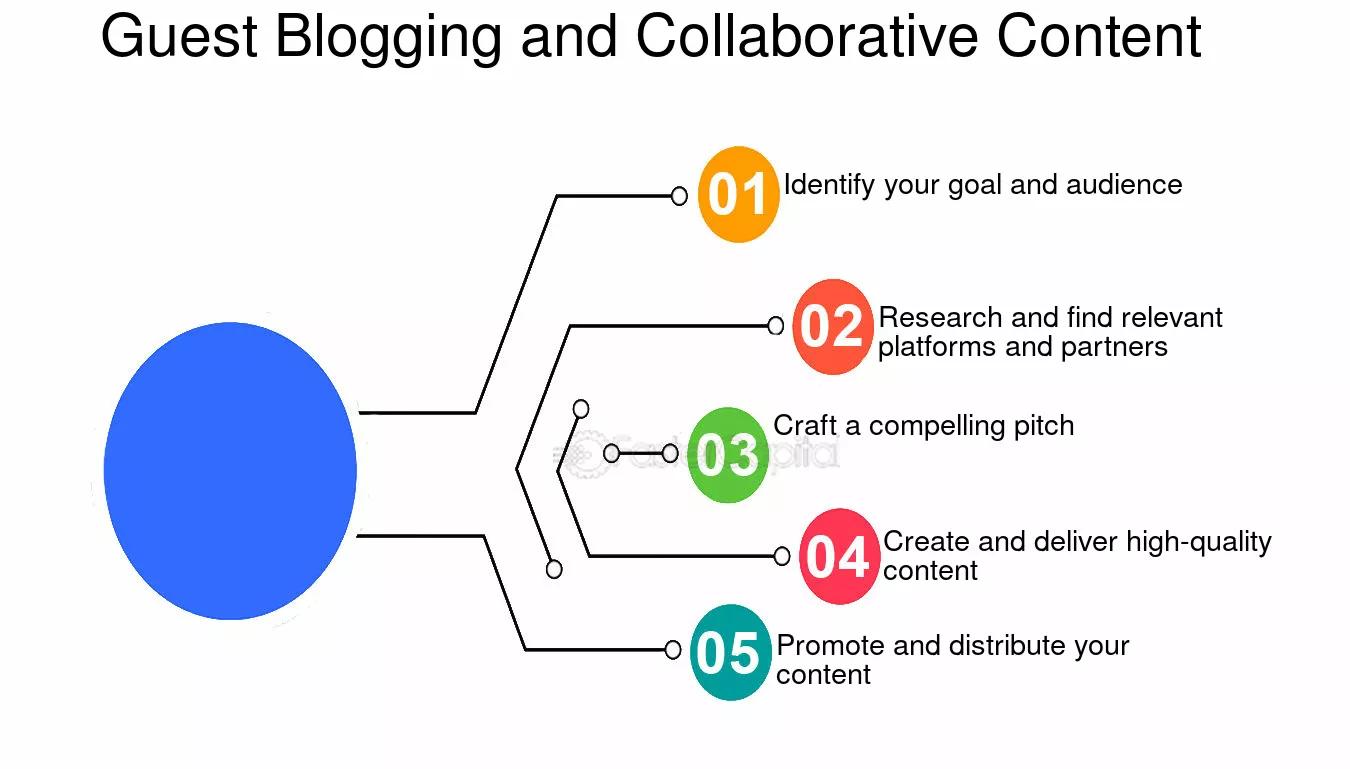
Links act as “votes of trust” for your website.
Strategies:
- Collaborate with bloggers
- Get featured in gift guides
- Analyze competitor backlinks
- Convert brand mentions into links
High-quality backlinks improve rankings significantly.
Technical SEO for Shopify
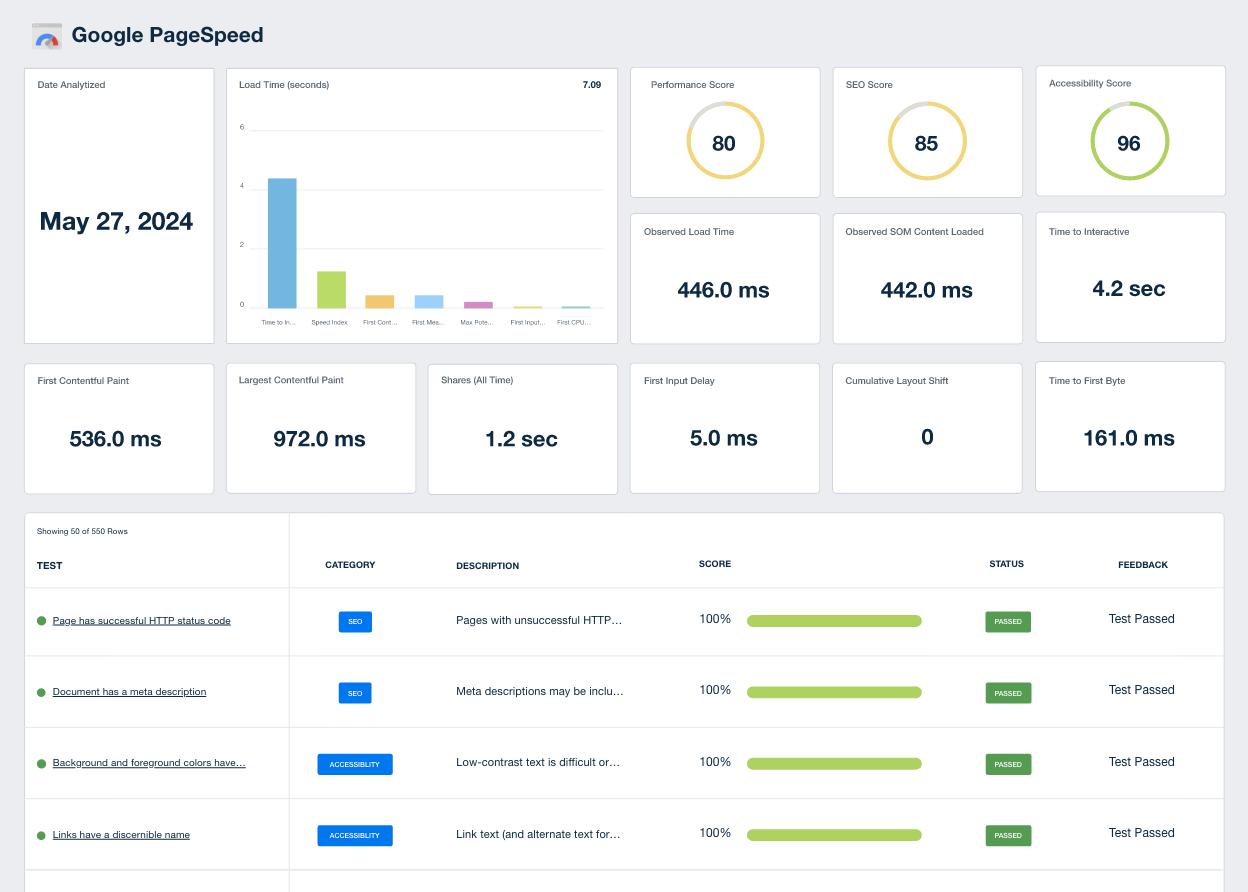
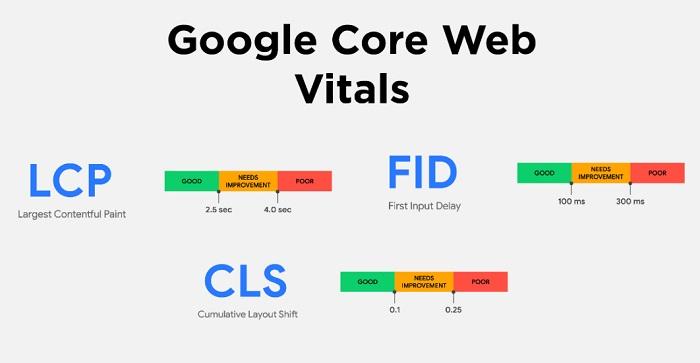
Technical SEO ensures your store performs well:
- Optimize page speed
- Ensure mobile responsiveness
- Fix duplicate URLs
- Improve Core Web Vitals
A fast, smooth website ranks better and converts more.
Common Shopify SEO Mistakes
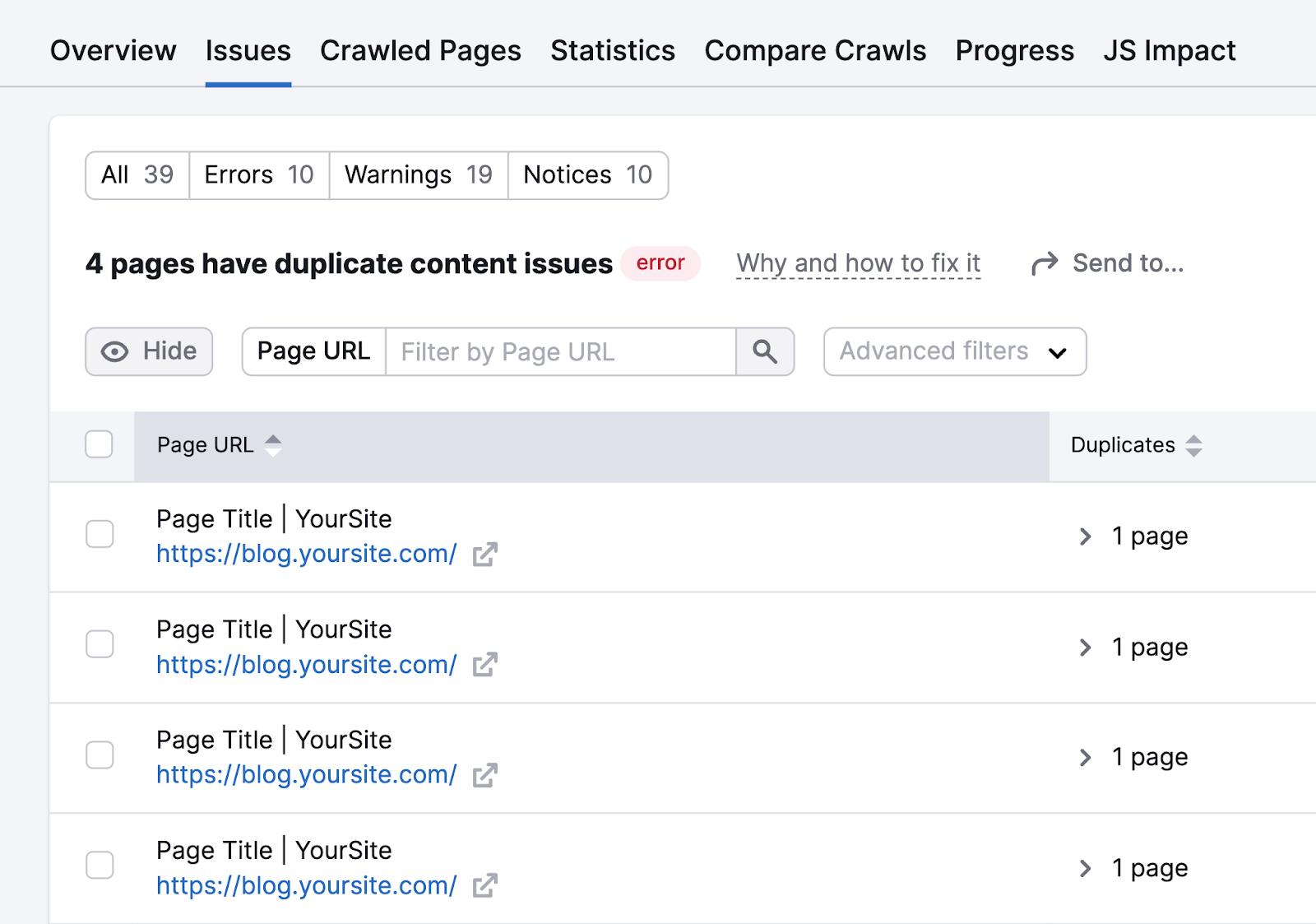

Avoid these mistakes:
- Duplicate content issues
- Using manufacturer product descriptions
- Ignoring mobile optimization
- Not fixing broken links
- Overusing apps that slow down your store
Future of Shopify SEO

SEO is evolving with:
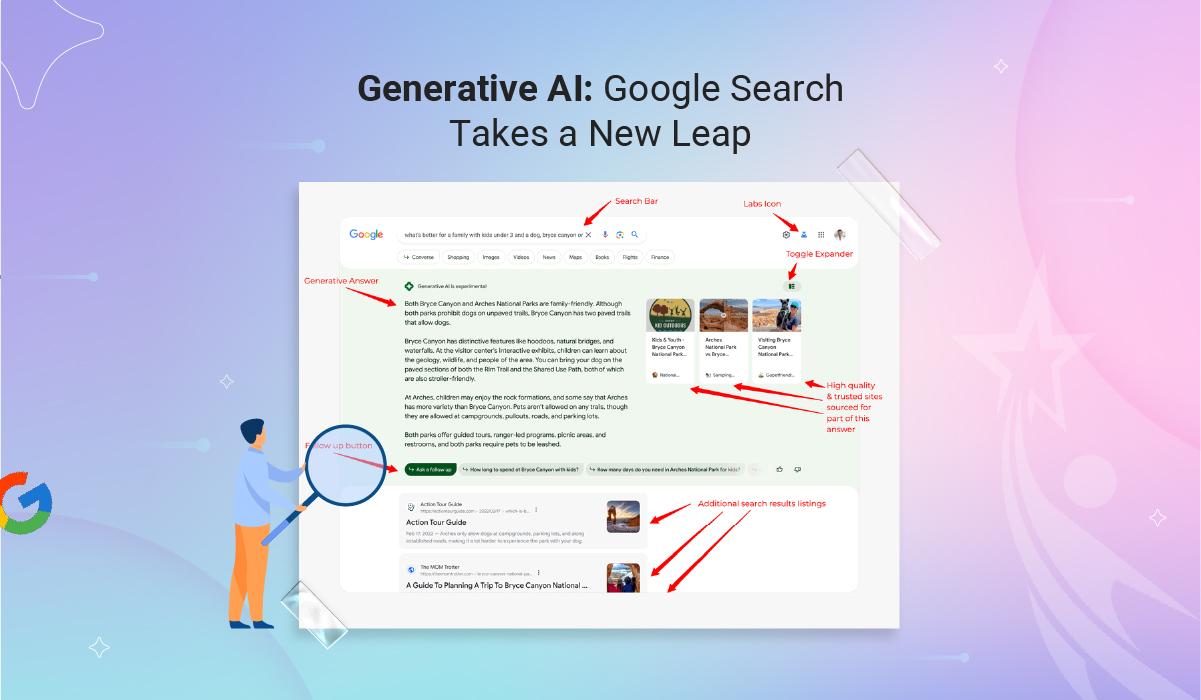
- AI-driven search (Google SGE)
- Voice search optimization
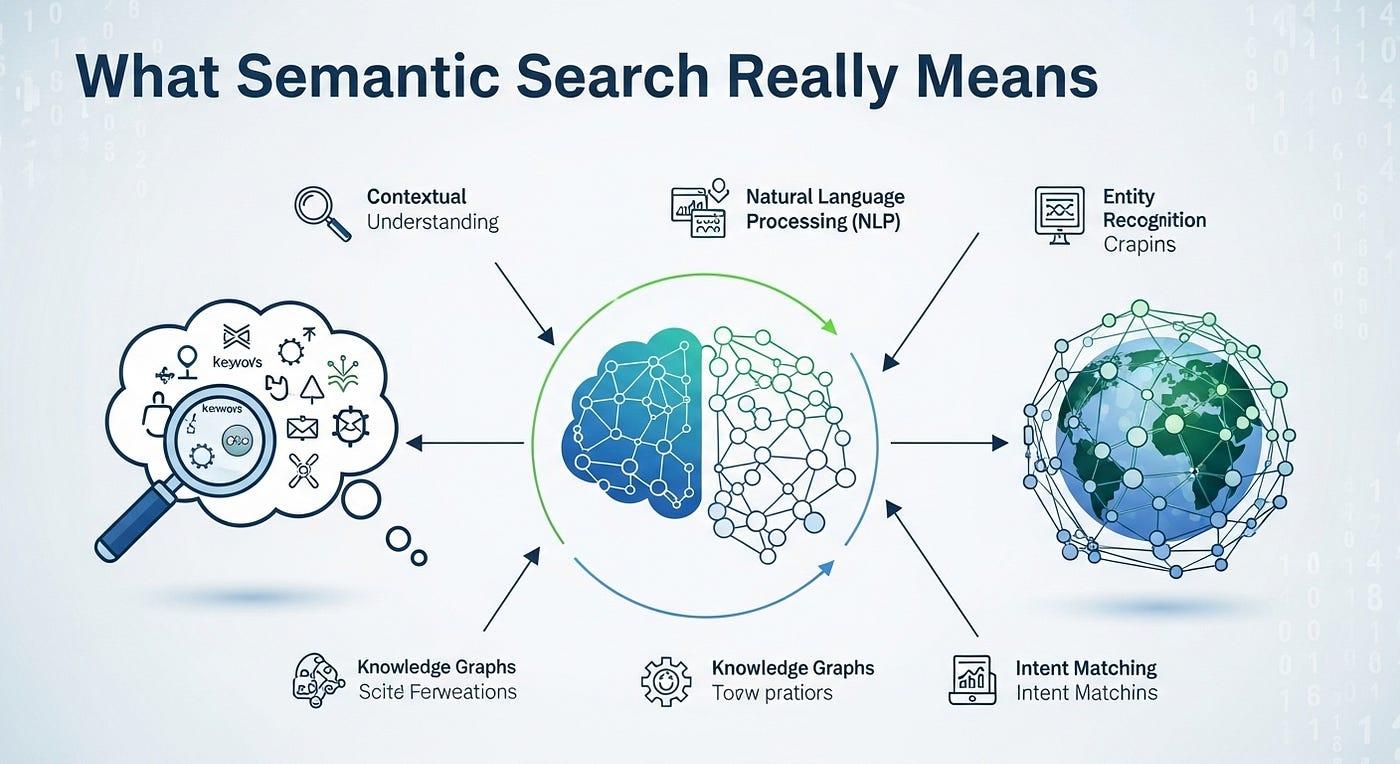
- Semantic search (intent-based ranking)
- Personalized search results
Future SEO focuses more on user intent than keywords.
Conclusion
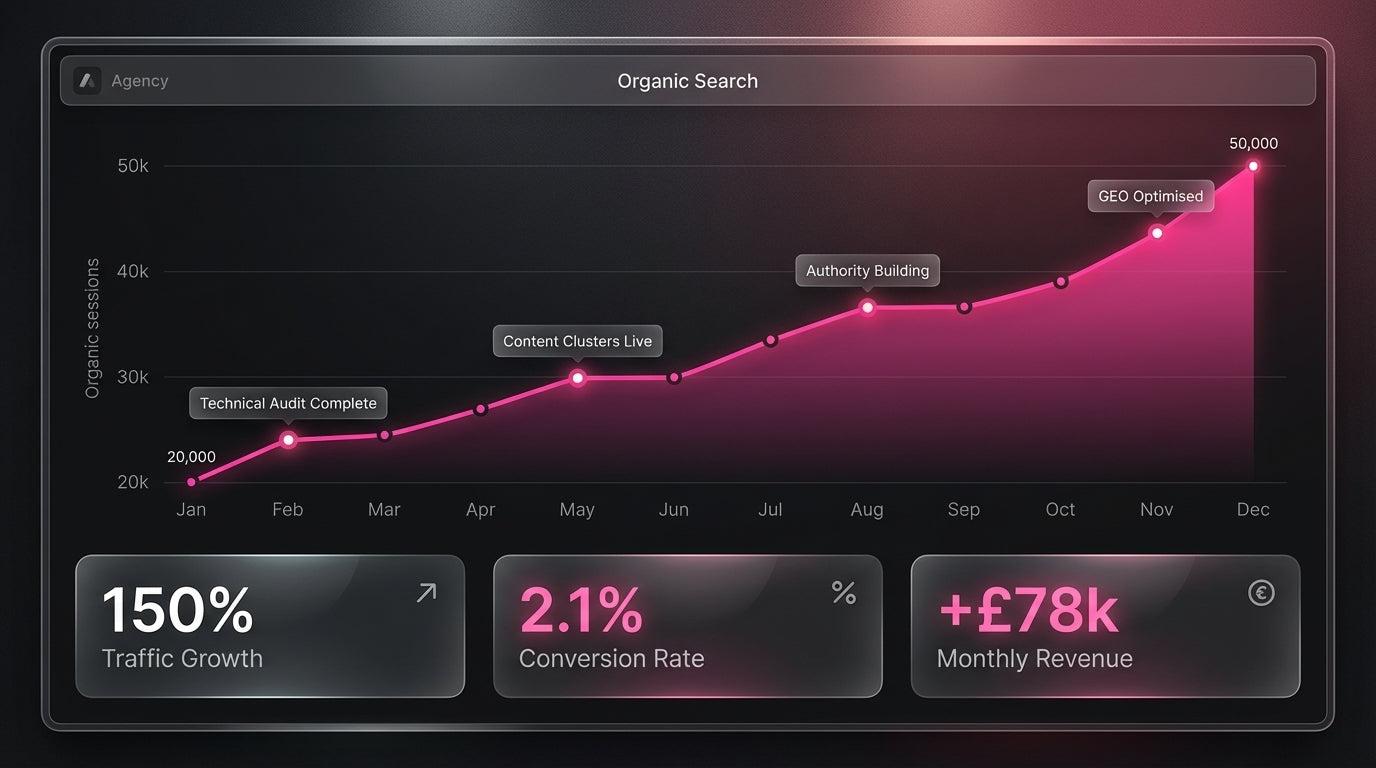
Investing in SEO is one of the smartest long-term strategies for Shopify growth.
By combining technical optimization, content marketing, and link building, you can create a steady stream of high-intent traffic that drives consistent sales.
SEO isn’t a quick win—but it’s a long-term growth engine for your business.
Related Posts
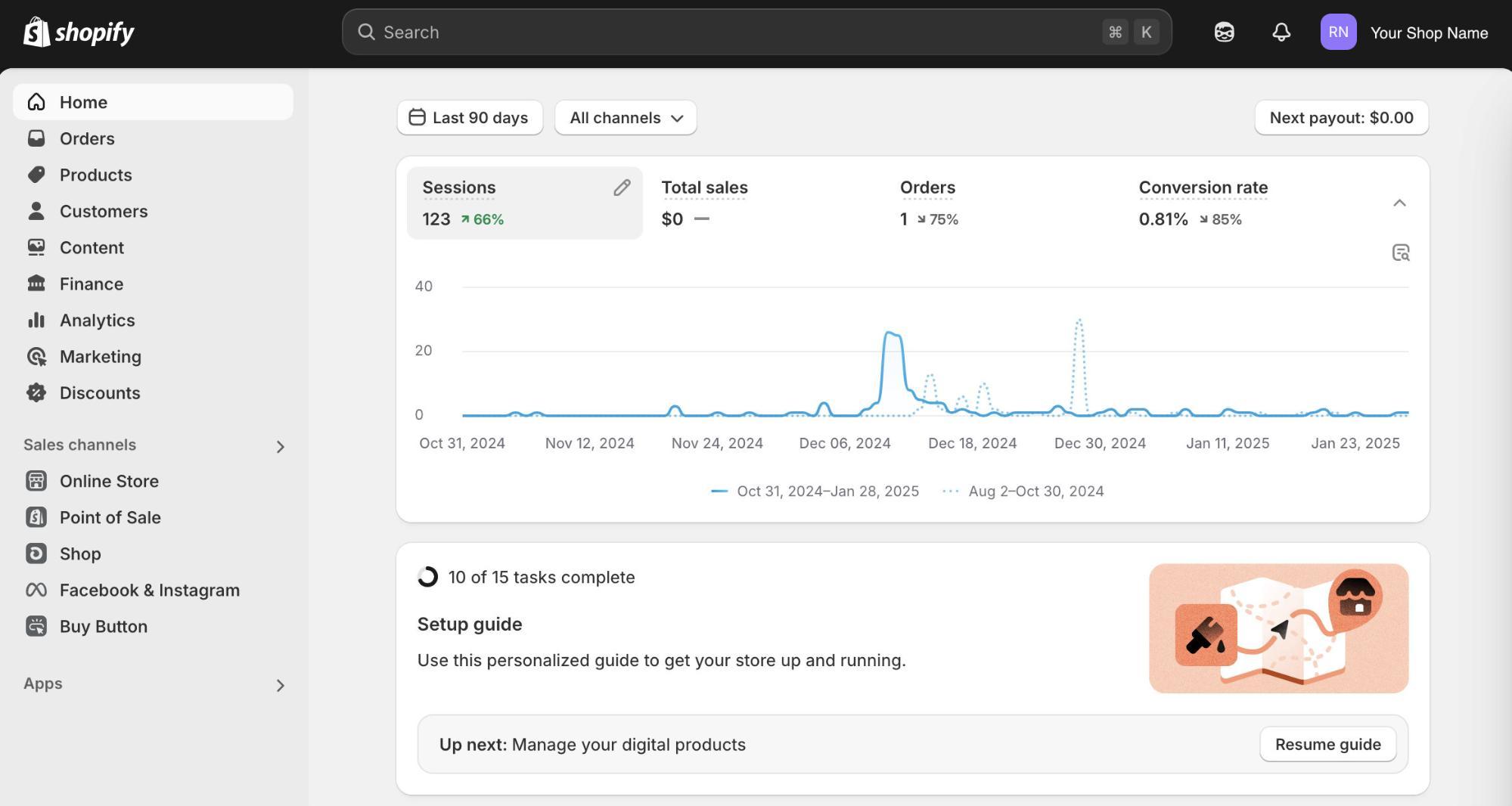
Shopify Migration Guide: Step-by-Step Process, SEO Checklist & Zero Data Loss Strategy
Learn how to migrate to Shopify seamlessly with a step-by-step guide, SEO best practices, and a zero data loss strategy for a smooth, hassle-free transition.

Why Site Speed Is So Important: Conversions, Loyalty & Google Rankings
Discover why website speed matters for higher conversions, stronger customer loyalty, and better Google rankings—and learn how to optimize your store for peak performance
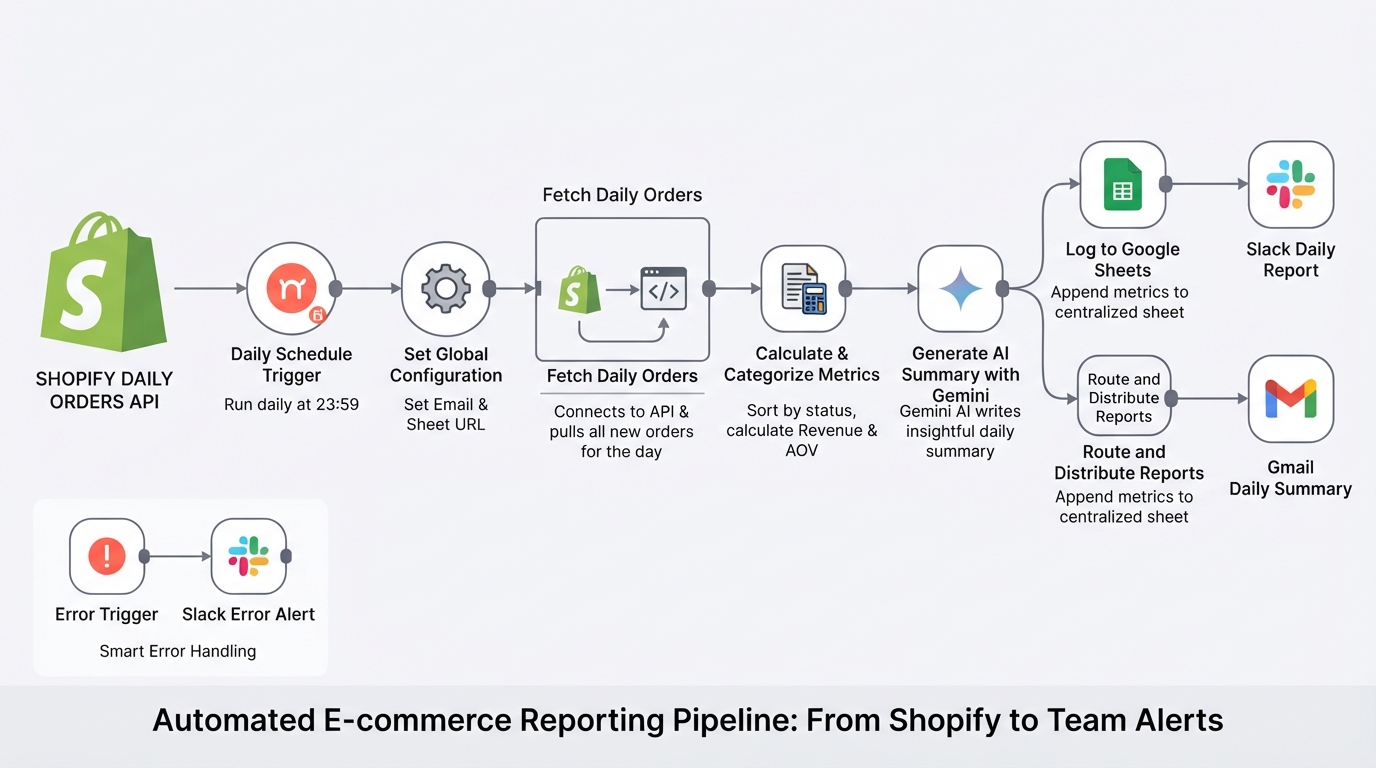
Summarize daily Shopify orders with Gemini, Google Sheets, Gmail and Slack
E-commerce store management made easy. The workflow pulls your daily Shopify orders, calculates metrics, logs them to Google Sheets, and uses Gemini AI to send a polished summary to your team via Slack and email.
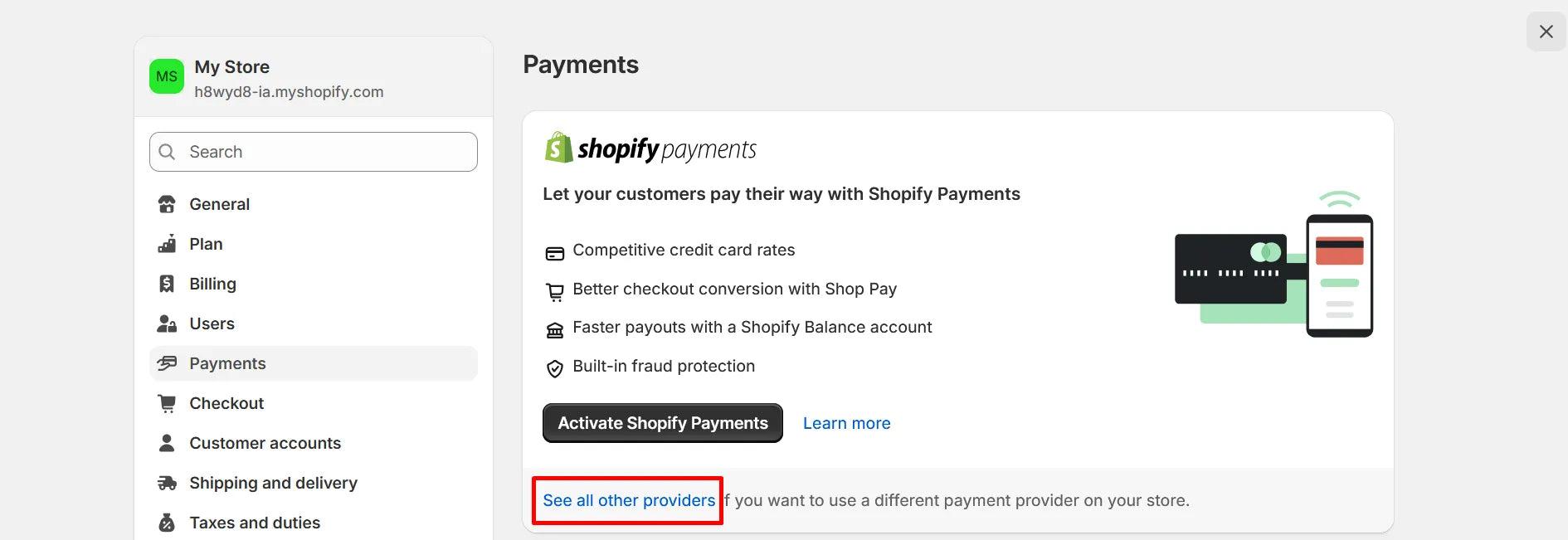
How to Enhance Your Shopify Store with Shopify Payment Gateway
Secure your Shopify store with a seamless payment gateway integration that delivers fast, safe transactions and a frictionless checkout experience for your customers.