
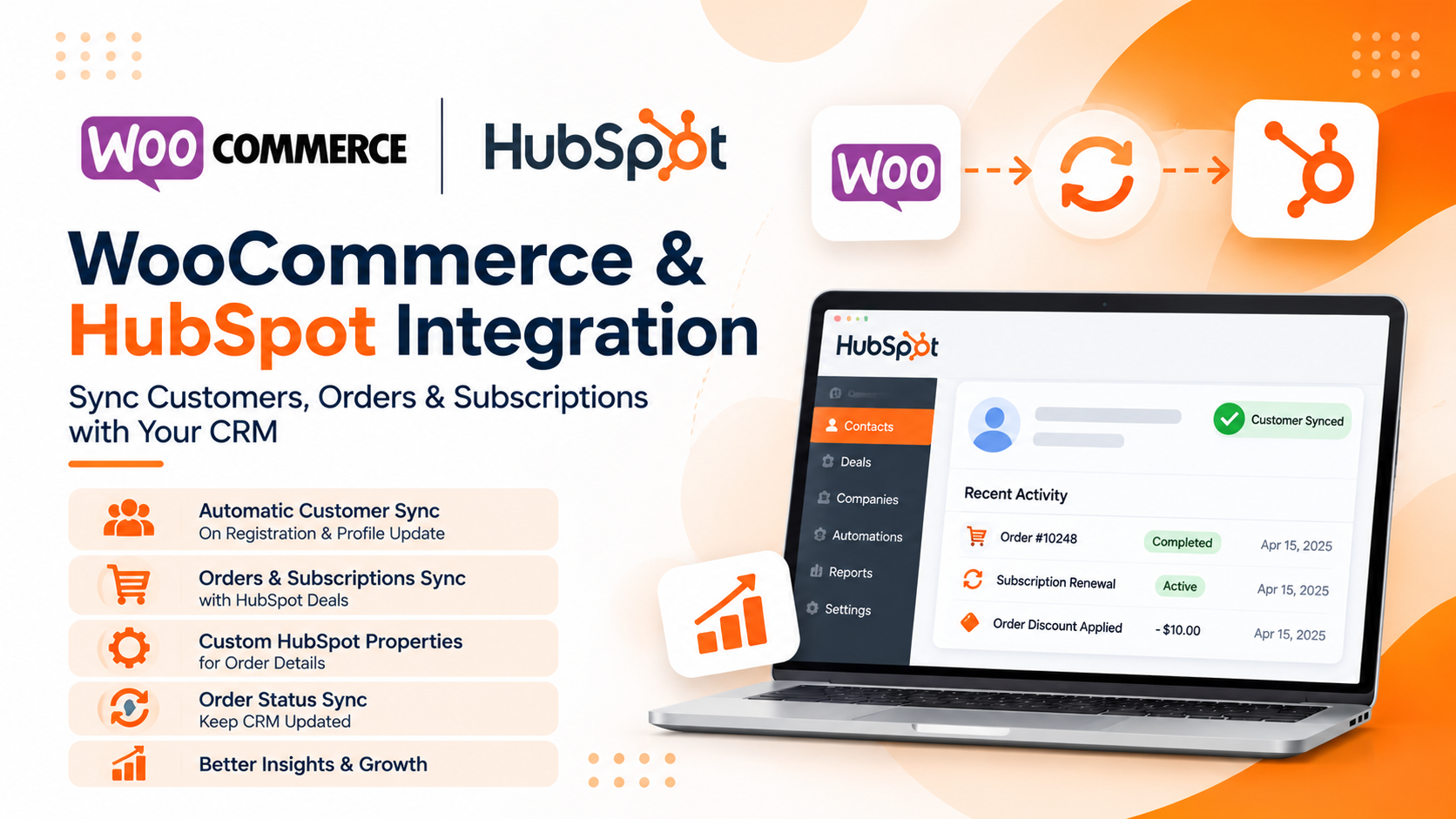
WooCommerce & HubSpot Integration
Eliminate manual data entry by connecting WooCommerce and HubSpot CRM—automatically syncing customers, orders, subscriptions, custom deal properties, and order statuses.
Connecting eCommerce Operations with CRM Automation
Managing an eCommerce business involves more than processing orders and collecting payments. Businesses also need accurate customer records, organized order information, subscription tracking, and a centralized view of customer activity.
WooCommerce provides a flexible eCommerce platform, while HubSpot offers powerful CRM capabilities for managing customer relationships and business data.
However, keeping customer information, order records, subscription activity, and CRM data synchronized between these platforms requires additional integration and custom development.
To address these requirements, we developed a custom WooCommerce and HubSpot integration that connects customer information, regular orders, subscription orders, and recurring renewal transactions.
The implementation focuses on four major areas:
- Automatic customer synchronization.
- WooCommerce order and subscription synchronization.
- Custom HubSpot properties for order information.
- Automatic order status synchronization.
Let’s explore what we implemented and how each feature works.
1. Automatic Customer Synchronization Between WooCommerce and HubSpot
The Challenge
Customer information is an important part of any eCommerce CRM workflow. When customers register on a WooCommerce website or update their profile information, businesses need their CRM records to reflect those changes. Without automated synchronization, customer information may become inconsistent across WooCommerce and HubSpot, requiring manual updates.
What We Built
We implemented automatic customer synchronization between WooCommerce and HubSpot. The integration handles customer information when users register or update their profile details on the WooCommerce website. The synchronization process ensures that relevant customer information is transferred to HubSpot and that existing customer records can be updated. This creates a more connected customer data management workflow between the eCommerce platform and CRM.
Key Benefits
- Automatic customer record synchronization.
- Updated customer information in HubSpot.
- Reduced manual data entry.
- Better consistency between WooCommerce and CRM records.
2. WooCommerce Orders and Subscription Synchronization with HubSpot Deals
The Challenge
WooCommerce manages regular orders, subscription orders, and recurring renewal orders. Businesses need visibility into these transactions within their CRM to maintain an organized view of customer purchases and subscription activity. Without a proper integration, teams may need to switch between WooCommerce and HubSpot to understand customer order history.
What We Built
We developed custom synchronization functionality to integrate WooCommerce transactions with HubSpot Deals.
The integration handles:
- Standard WooCommerce orders.
- Subscription orders.
- Subscription renewal orders.
- Customer associations with corresponding HubSpot records.
When an order or subscription transaction is processed, the integration synchronizes the relevant information with HubSpot and associates it with the appropriate customer. This helps maintain a centralized CRM view of customer transactions.
Key Benefits
- Better visibility into customer purchases.
- WooCommerce order data available in HubSpot.
- Subscription and renewal transaction tracking.
- Customer-associated deal records.
- Improved coordination between eCommerce and CRM data.
3. Custom HubSpot Properties for Order Data Synchronization
The Challenge
Standard CRM records may not contain all the information an eCommerce business needs to track its orders. Businesses often require additional order-specific information, including order IDs, order statuses, taxes, discounts, and customer details. Without properly structured CRM properties, maintaining detailed transaction information becomes difficult.
What We Built
We created and managed custom HubSpot properties to store and synchronize WooCommerce order information.
The custom properties support synchronization of important details such as:
- WooCommerce Order ID.
- Order Status.
- Tax Information.
- Discount Information.
- Customer Information.
These properties allow relevant WooCommerce order details to be stored within HubSpot Deals. By extending the CRM data structure, we made it easier to access and manage eCommerce transaction information directly within HubSpot.
Key Benefits
- Structured order information inside HubSpot.
- Better visibility into transaction details.
- Custom CRM fields based on business requirements.
- Improved access to customer and order information.
4. Automatic Order Status Synchronization
The Challenge
Order statuses can change throughout the WooCommerce order lifecycle. For example, an order may move from pending payment to processing and then to completed. If these changes are not reflected in HubSpot, CRM records may contain outdated transaction information. This can create inconsistencies when teams use HubSpot to monitor customer orders.
What We Built
We implemented automatic order status synchronization between WooCommerce and HubSpot. Whenever an order status changes in WooCommerce, the integration updates the corresponding information in HubSpot. This keeps CRM order information aligned with the latest WooCommerce order status. The synchronization helps businesses maintain more accurate transaction records without relying on manual CRM updates.
Key Benefits
- Automatic order status updates.
- More accurate CRM information.
- Reduced manual synchronization work.
- Better visibility into order progress.
Why WooCommerce and HubSpot Integration Matters
WooCommerce and HubSpot serve different but complementary purposes. WooCommerce manages eCommerce operations, including products, orders, customers, and subscriptions. HubSpot provides CRM capabilities for organizing customer relationships and associated business information. Connecting these platforms helps businesses maintain a more consistent flow of information across their systems.
With our custom implementation, we focused on three important objectives:
- Connected Customer Data: Customer registrations and profile updates are synchronized automatically, helping maintain consistent customer records.
- Centralized Transaction Information: Orders, subscription orders, and renewal orders are synchronized with HubSpot Deals and associated customer records.
- Accurate CRM Records: Custom HubSpot properties and automatic order status updates help keep transaction information organized and up to date.
Together, these enhancements create a connected eCommerce and CRM workflow that supports better customer and order management.
Building Custom WooCommerce Integrations for Business Requirements
Every eCommerce business has unique operational requirements. Sometimes standard plugins and integrations provide everything needed. In other cases, custom development is necessary to connect platforms, synchronize business data, and support specialized workflows.
Our approach is to understand the existing business processes, identify integration requirements, and develop solutions that connect the necessary systems efficiently. From WooCommerce and HubSpot CRM synchronization to automated order and subscription tracking, we build functionality that extends the capabilities of the existing eCommerce ecosystem.
The goal is simple: connect business systems, reduce manual work, and create a more organized customer management experience.
Related Posts
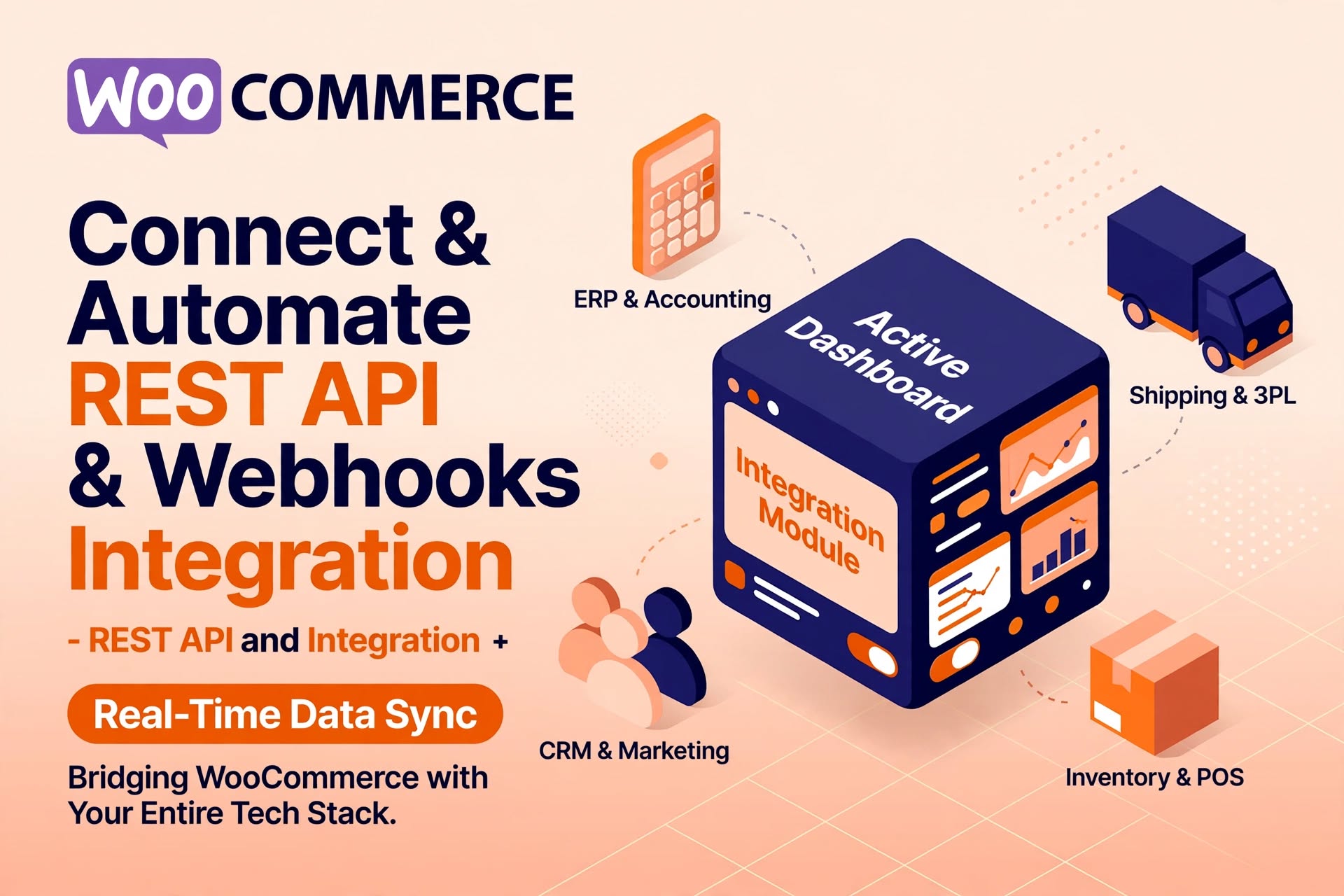
Bridging WooCommerce with Your Entire Tech Stack Using REST API & Webhooks
As your e-commerce operations grow, your online store can’t operate on an island. If your team is still downloading CSVs to update inventory, manually typing order details into accounting software, or copy-pasting customer info into a CRM, you’re losing time, money, and risking human error.
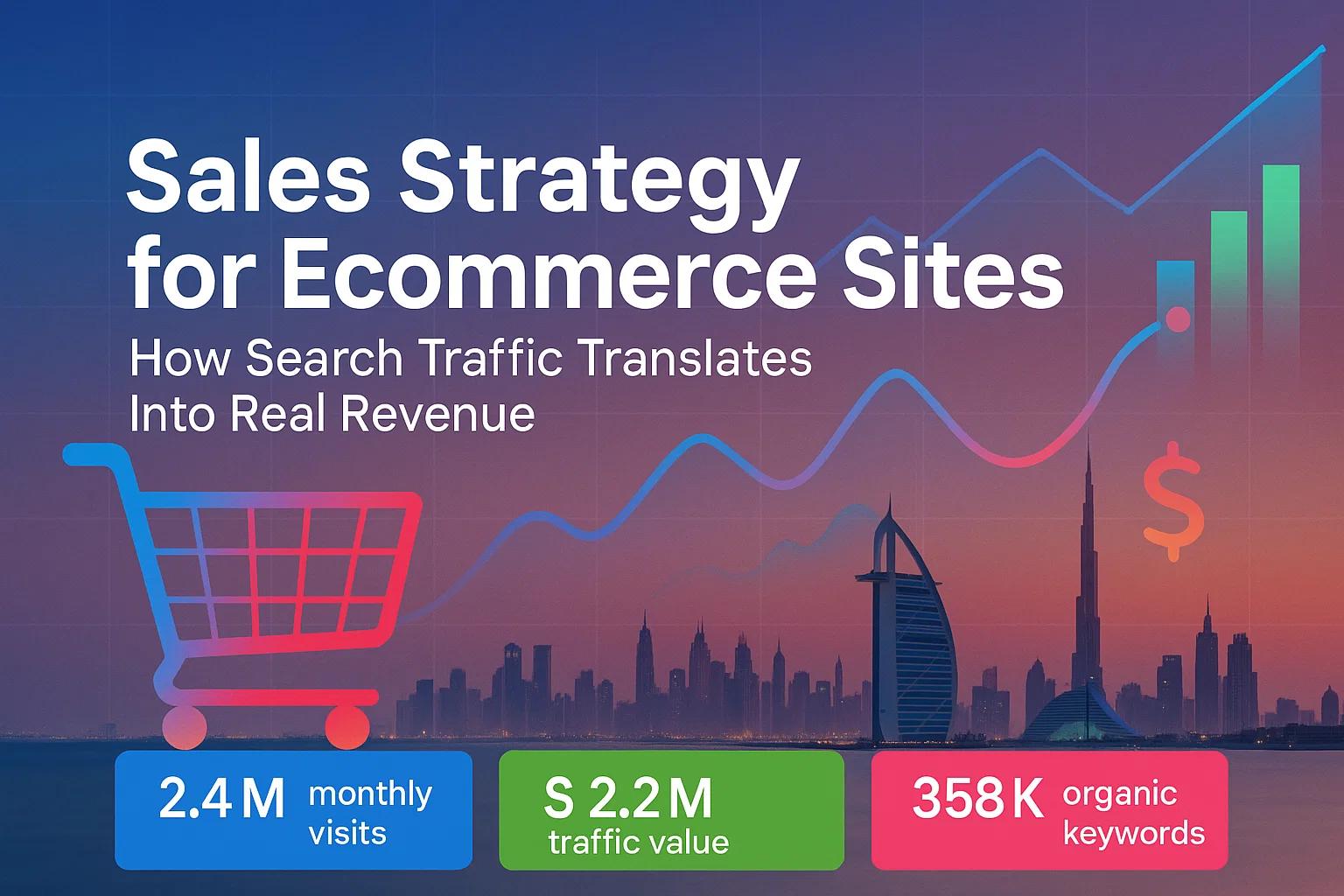
How Investing in SEO Can Grow Your Shopify Store Traffic
Investing in SEO helps your Shopify store attract more organic traffic, improve search rankings, and drive sustainable growth. Unlike paid advertising, SEO delivers long-term results that continue to generate visitors and sales over time.

How to Create a High-Converting Shopify Landing Page
Creating a high-converting Shopify landing page requires more than design—it requires strategy, psychology, and optimization.
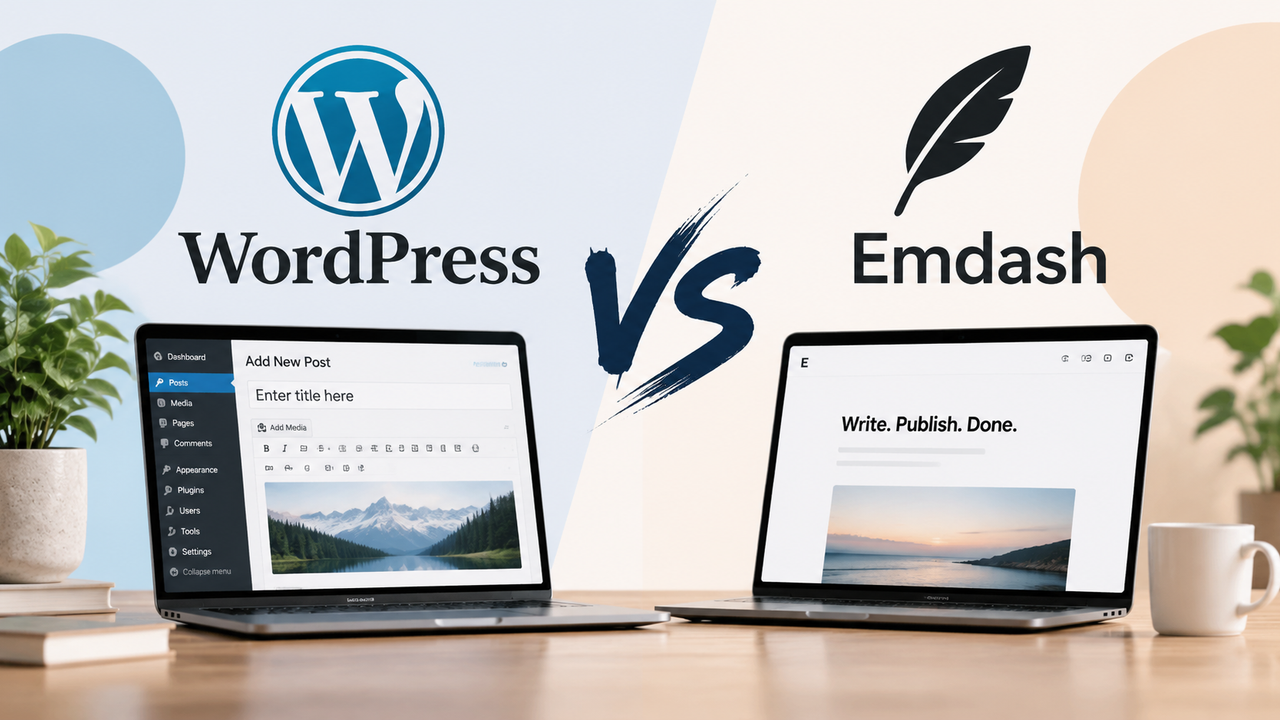
WordPress vs. Cloudflare EmDash CMS
WordPress offers an established ecosystem. EmDash brings an Astro-based approach to content management. Compare the practical trade-offs before choosing your next CMS.