
An Extensive Guide to Headless Shopify
Headless Shopify decouples the frontend from the backend, allowing brands to build custom, high-performance storefronts using modern frameworks like React while Shopify handles the commerce engine via APIs. It enables faster, more flexible, and scalable shopping experiences across web, mobile, and other digital platforms.
Introduction to Headless Shopify
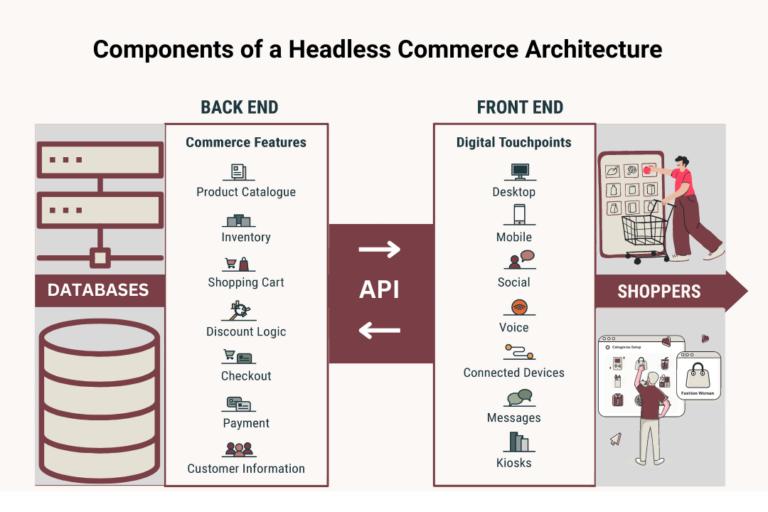
Headless Shopify is a modern approach to eCommerce where the frontend (storefront) is decoupled from the backend (Shopify engine). Instead of relying on Shopify themes, developers build custom storefronts using frameworks like React while connecting to Shopify via APIs.
This architecture allows brands to deliver highly customized, fast, and scalable digital experiences across multiple channels—from web and mobile to kiosks and IoT devices.
What is Headless Commerce?
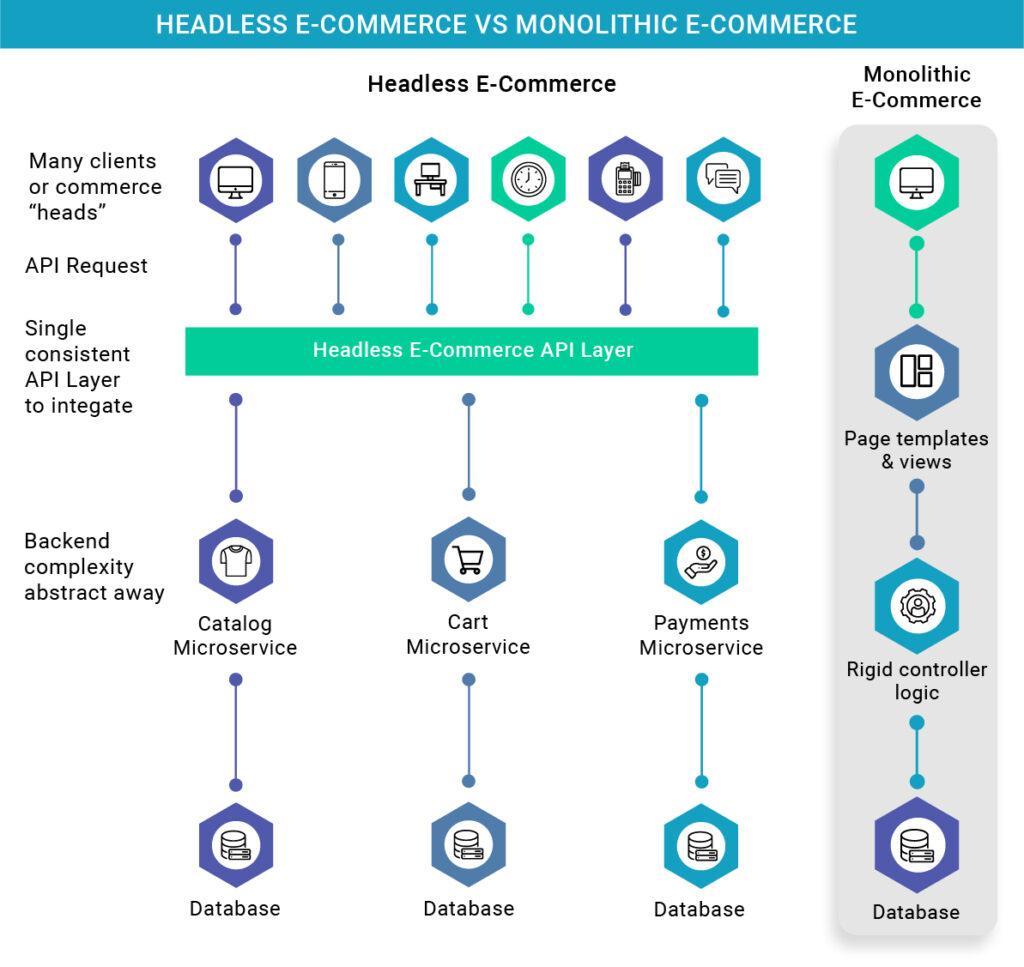
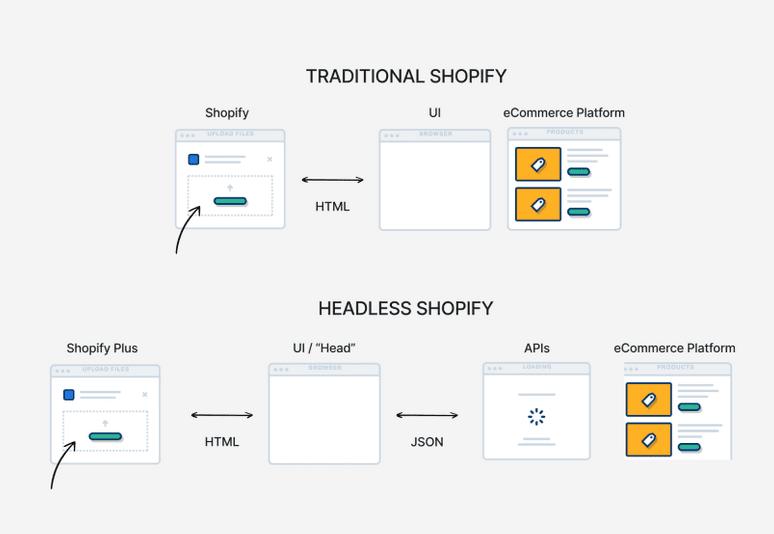
Traditional Shopify stores follow a monolithic architecture, where frontend and backend are tightly coupled.
Headless commerce separates them:
- Frontend → Built using modern frameworks (React, Next.js)
- Backend → Shopify handles products, checkout, orders
- API Layer → Connects both via Shopify Storefront API
This separation gives developers complete freedom to build unique experiences without backend limitations.
How Headless Shopify Works (Architecture)
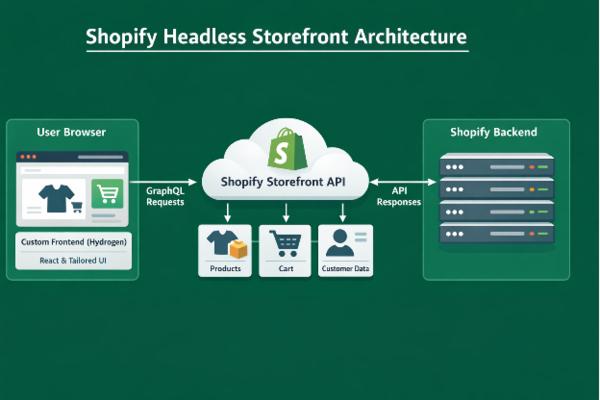
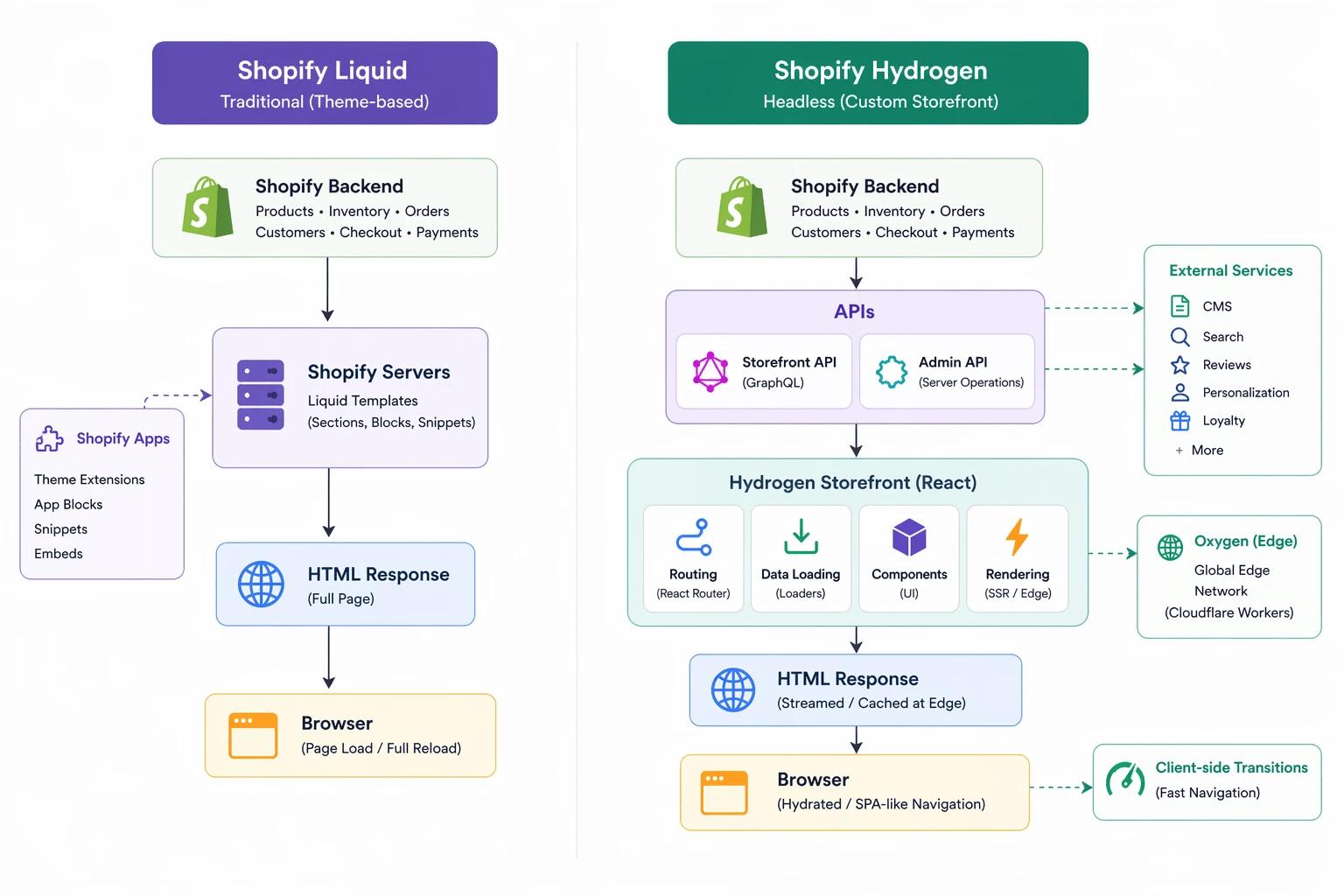
A typical Headless Shopify architecture includes:
- Frontend Layer
- Built using Hydrogen, Next.js, or Vue
- Handles UI/UX
- API Layer
- Shopify Storefront API (GraphQL)
- Fetches product, customer, and cart data
- Backend (Shopify Core)
- Manages inventory, orders, checkout
- Hosting
- Oxygen (Shopify’s hosting)
- Or Vercel / Netlify
Benefits of Headless Shopify
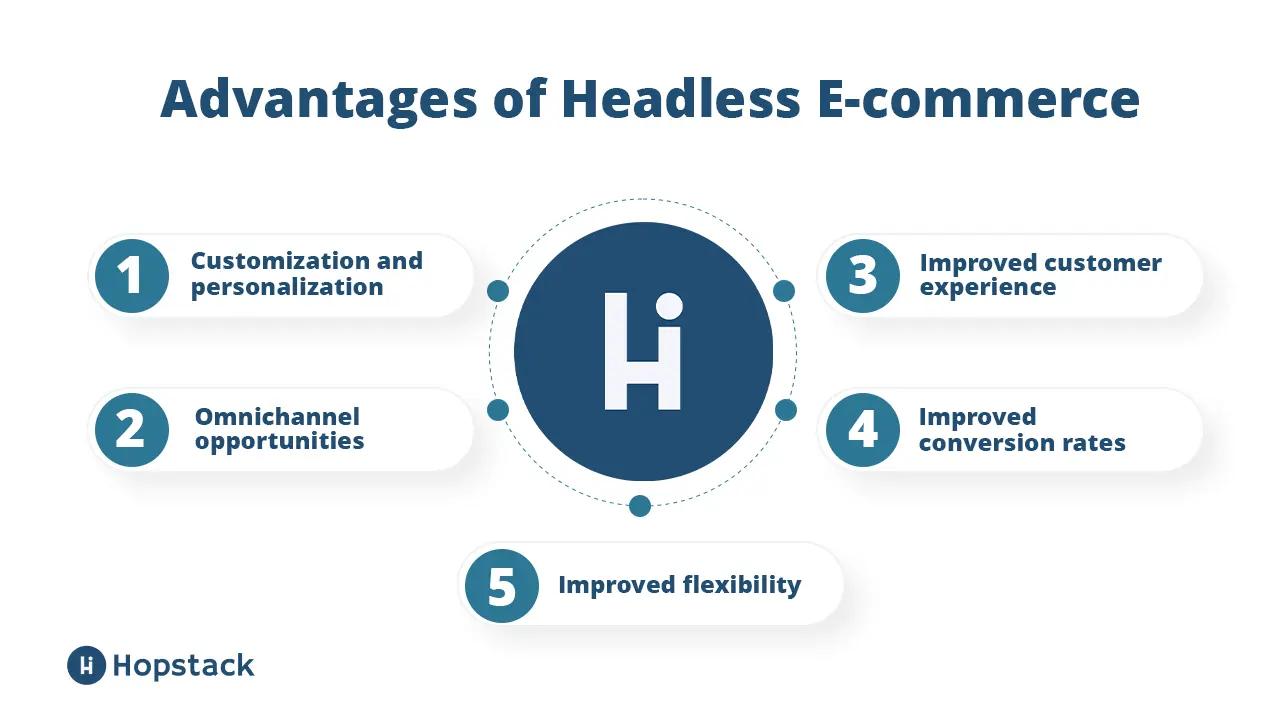
1. Complete Design Freedom
No theme restrictions—build fully custom UX.
2. Faster Performance
Optimized frontend improves Core Web Vitals and conversion rates.
3. Omnichannel Selling
Sell across:
- Websites
- Mobile apps
- POS systems
- IoT devices
4. Scalability
Scale frontend and backend independently.
5. Future-Proof Architecture
Easily adopt new technologies without rebuilding backend.
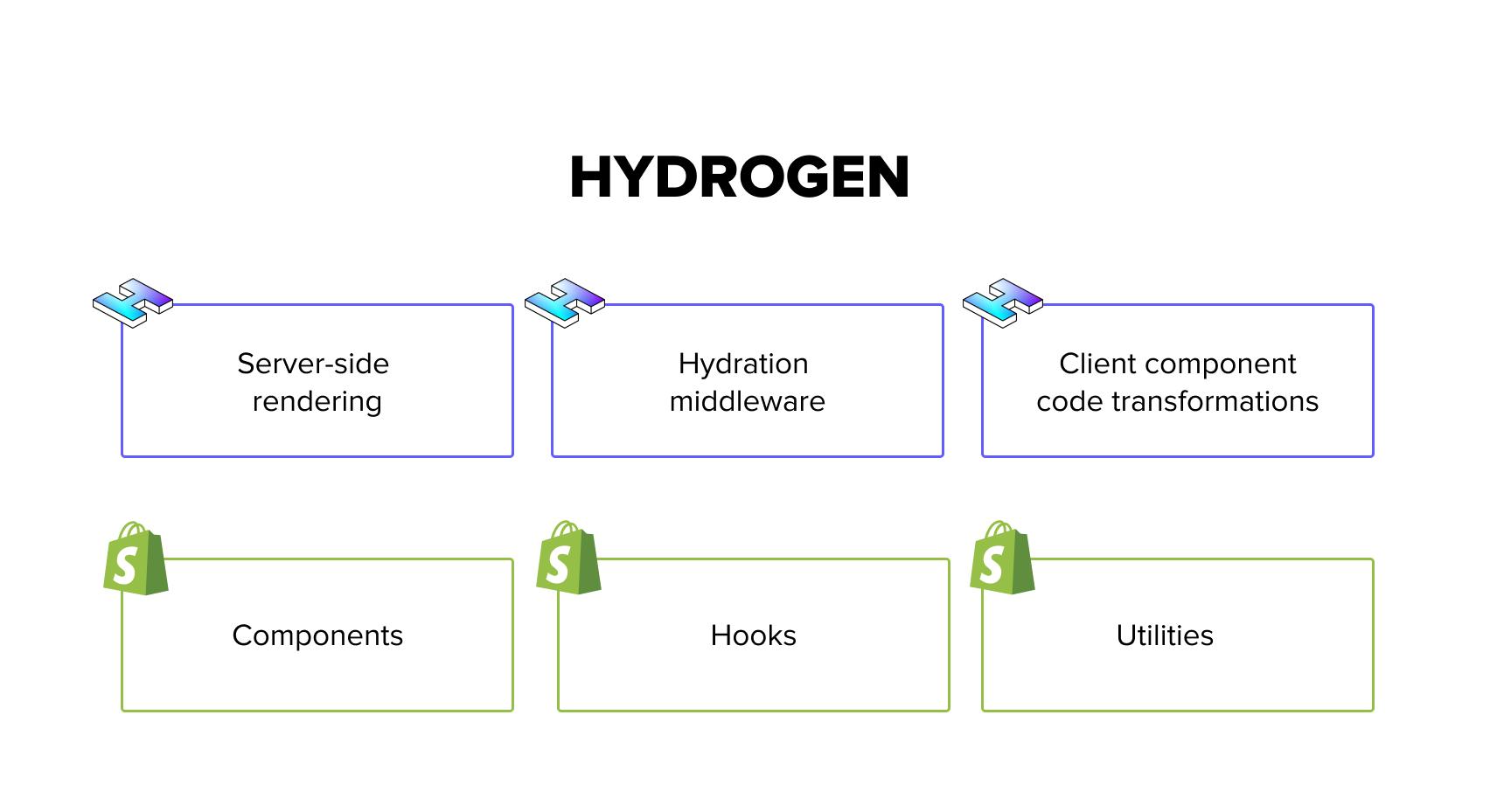
Hydrogen & Oxygen (Modern Shopify Stack)
Shopify has introduced a native headless stack:
Hydrogen
- React-based framework
- Built for Shopify storefronts
- Pre-built components (cart, product pages)
Oxygen
- Shopify’s hosting platform
- Global CDN
- Optimized for Hydrogen apps
Together, they simplify headless development significantly.
When Should You Choose Headless Shopify?

Headless Shopify is ideal when:
- You need advanced customization
- You run a high-traffic store
- You want unique brand experiences
- You require multi-store or multi-region setups
- You focus heavily on performance & SEO
Challenges of Headless Shopify

1. Increased Complexity
Requires technical expertise and architecture planning.
2. Higher Cost
Development + hosting + integrations.
3. App Limitations
Some Shopify apps won’t work directly.
4. Maintenance
Ongoing developer dependency.
Headless Shopify vs Traditional Shopify
|
Feature |
Traditional Shopify |
Headless Shopify |
|
Customization |
Limited |
Unlimited |
|
Speed |
Moderate |
High |
|
Complexity |
Low |
High |
|
Cost |
Lower |
Higher |
|
Flexibility |
Limited |
Maximum |
SEO & Performance Benefits
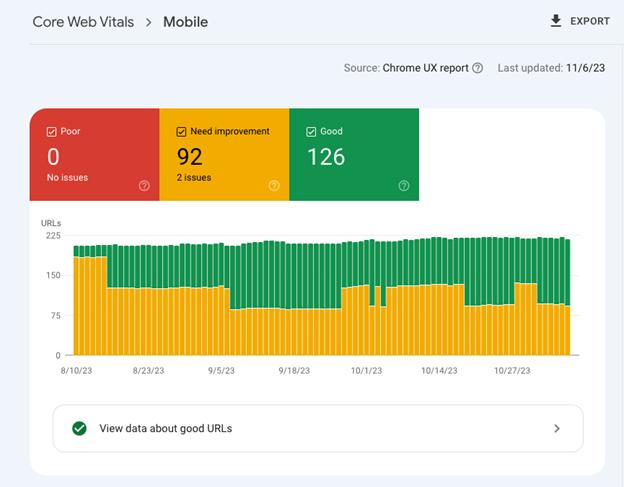
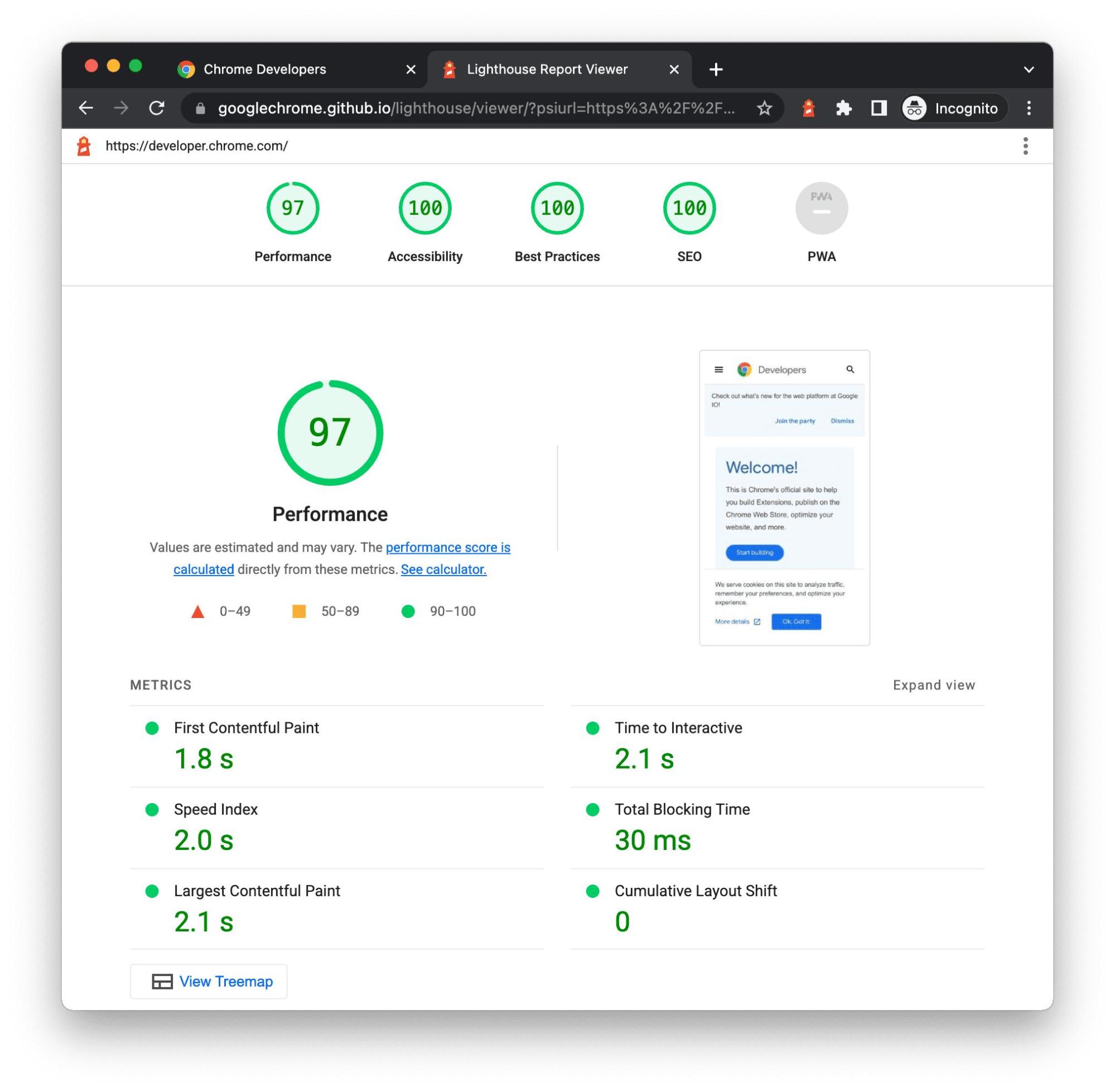
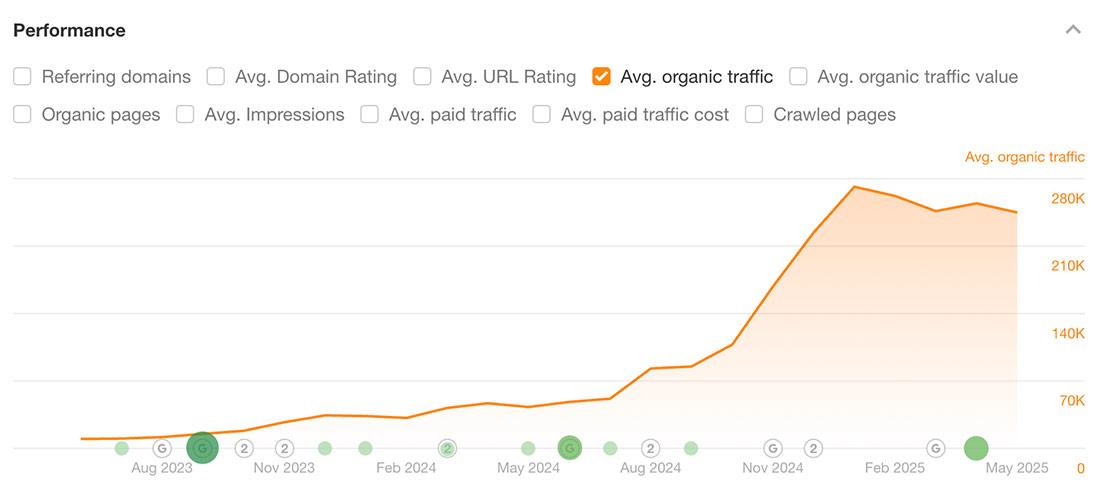
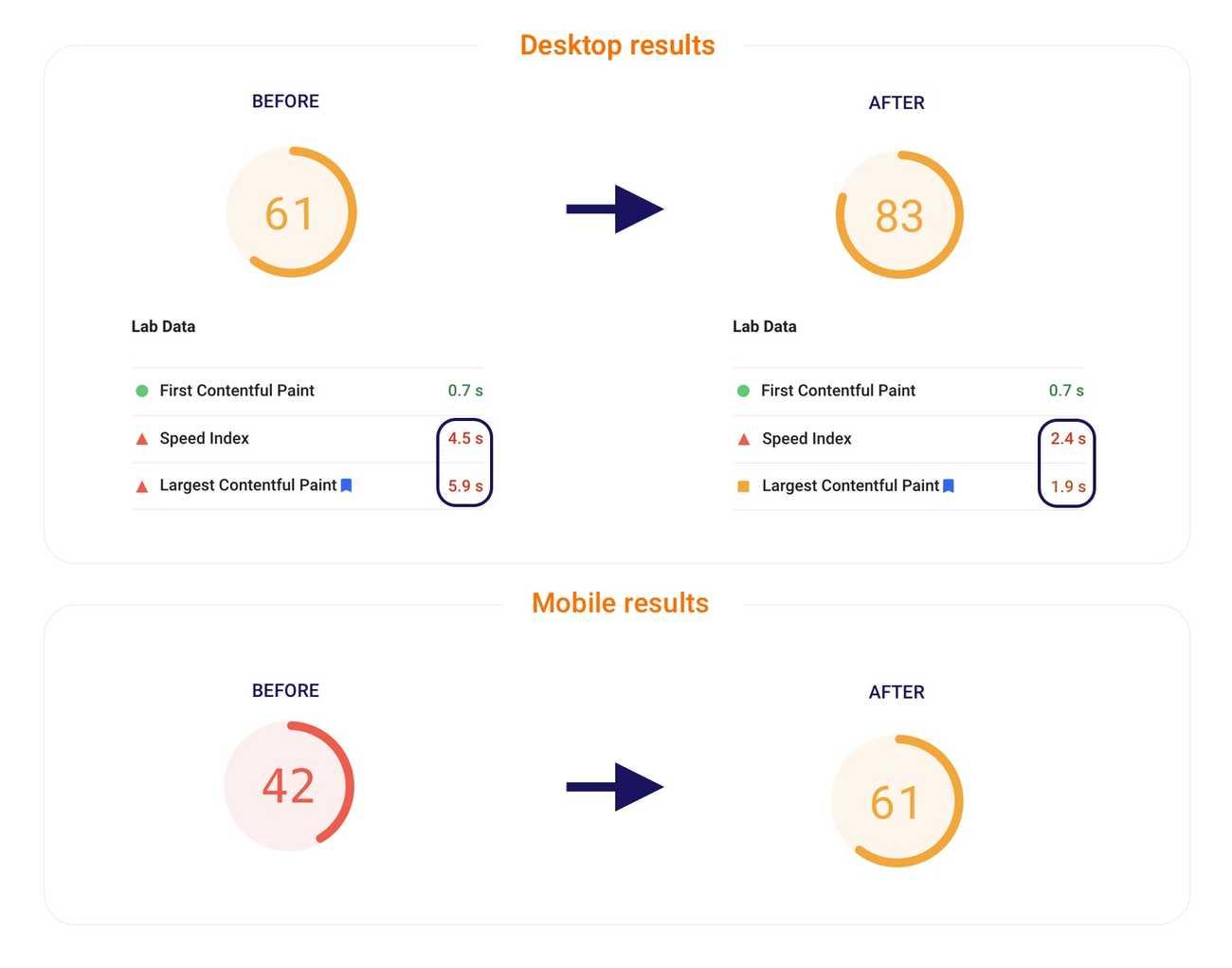
Headless Shopify improves SEO through:
- Faster page load speed
- Better Core Web Vitals
- Server-side rendering (SSR)
- Optimized frontend performance
This directly impacts rankings, traffic, and conversions.
Future of Headless Shopify


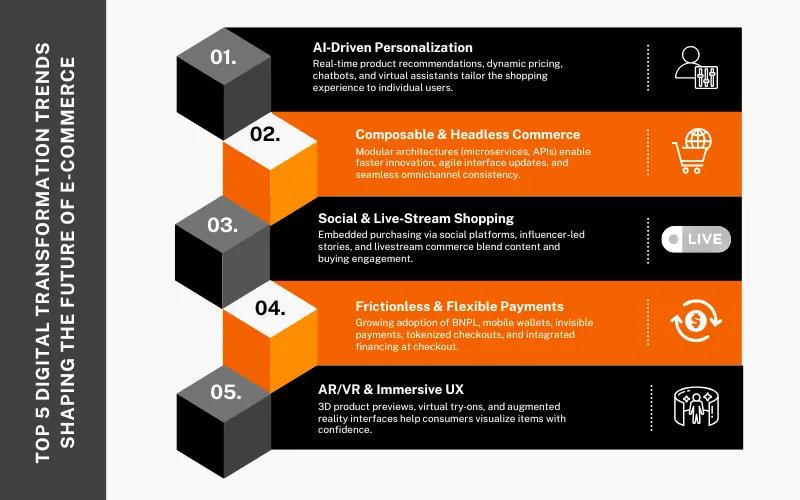
Headless commerce is rapidly becoming the default architecture for modern brands.
Key trends:
- AI-driven personalization
- Omnichannel experiences
- Voice & AR commerce
- API-first ecosystems
Shopify continues to invest heavily in headless infrastructure, making it a long-term strategy.
Conclusion
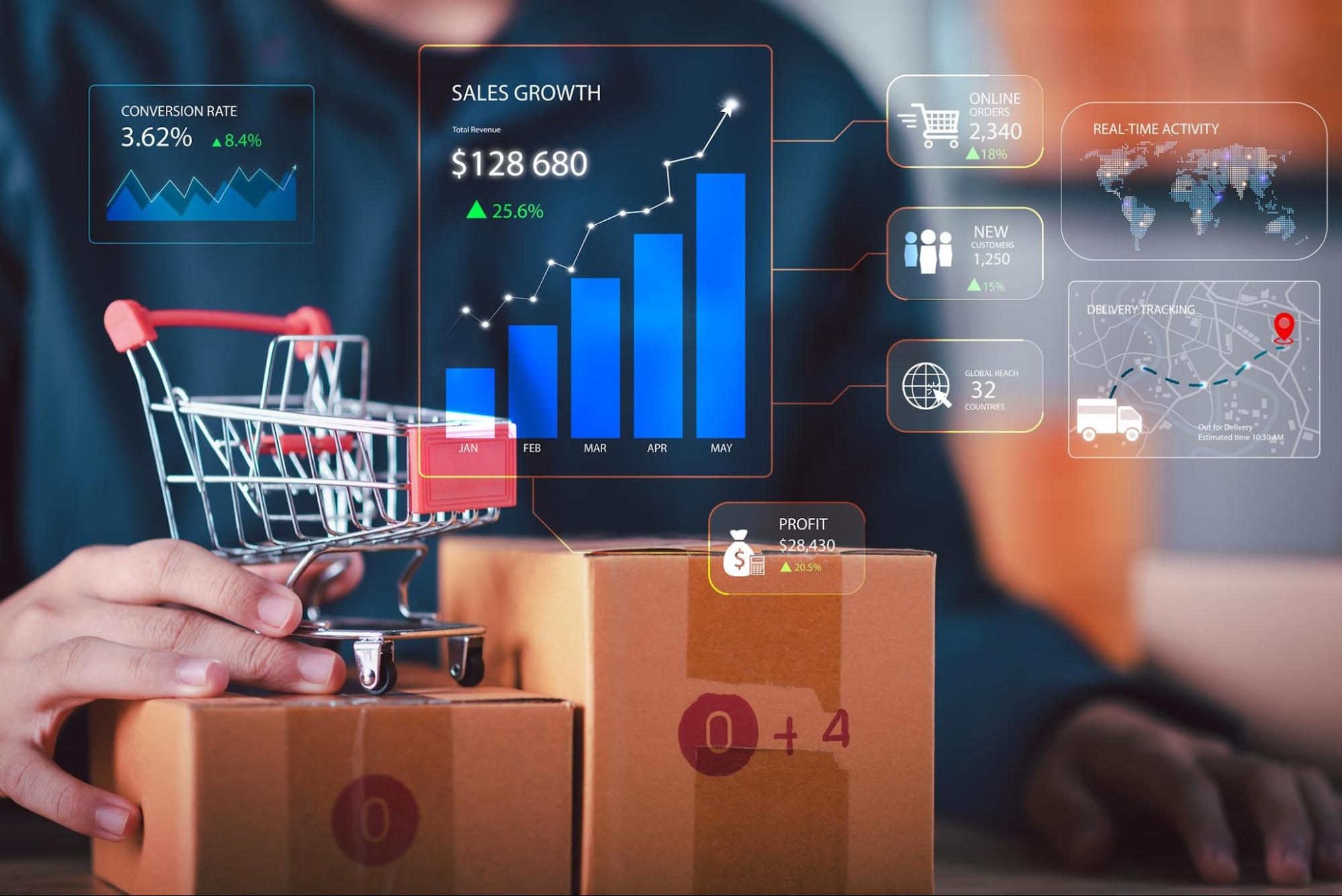
Headless Shopify offers unmatched flexibility, speed, and scalability—but it comes with complexity and cost.
For growing and enterprise brands, it’s a powerful way to future-proof your eCommerce experience. For smaller stores, traditional Shopify may still be the better choice.
Related Posts
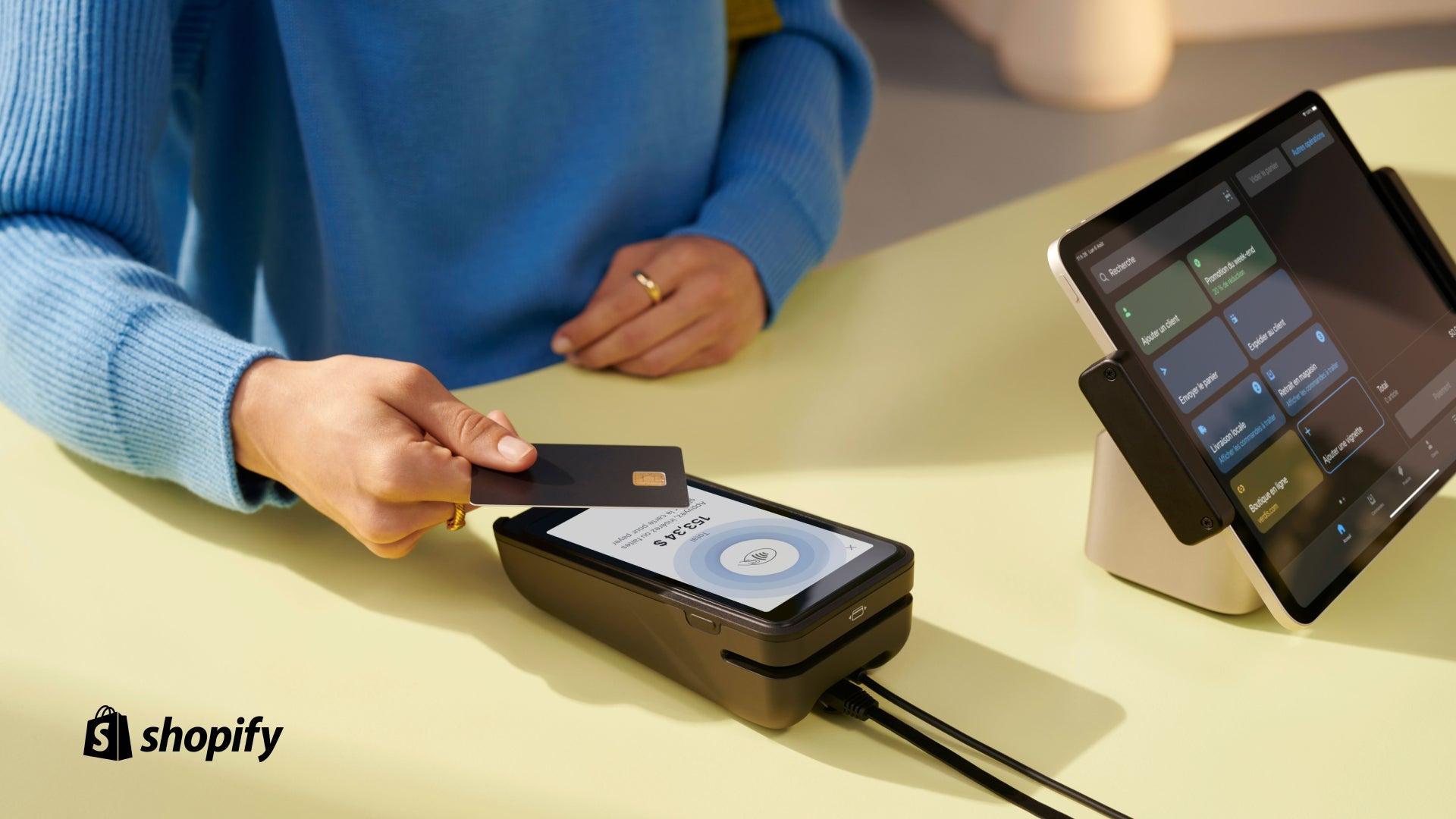
An Ultimate Guide to Shopify POS
Selling in person is one of the most powerful ways to build real customer relationships. Shopify POS (Point of Sale) bridges the gap between your online store and physical retail, allowing you to manage everything—from inventory to payments—in one unified system.
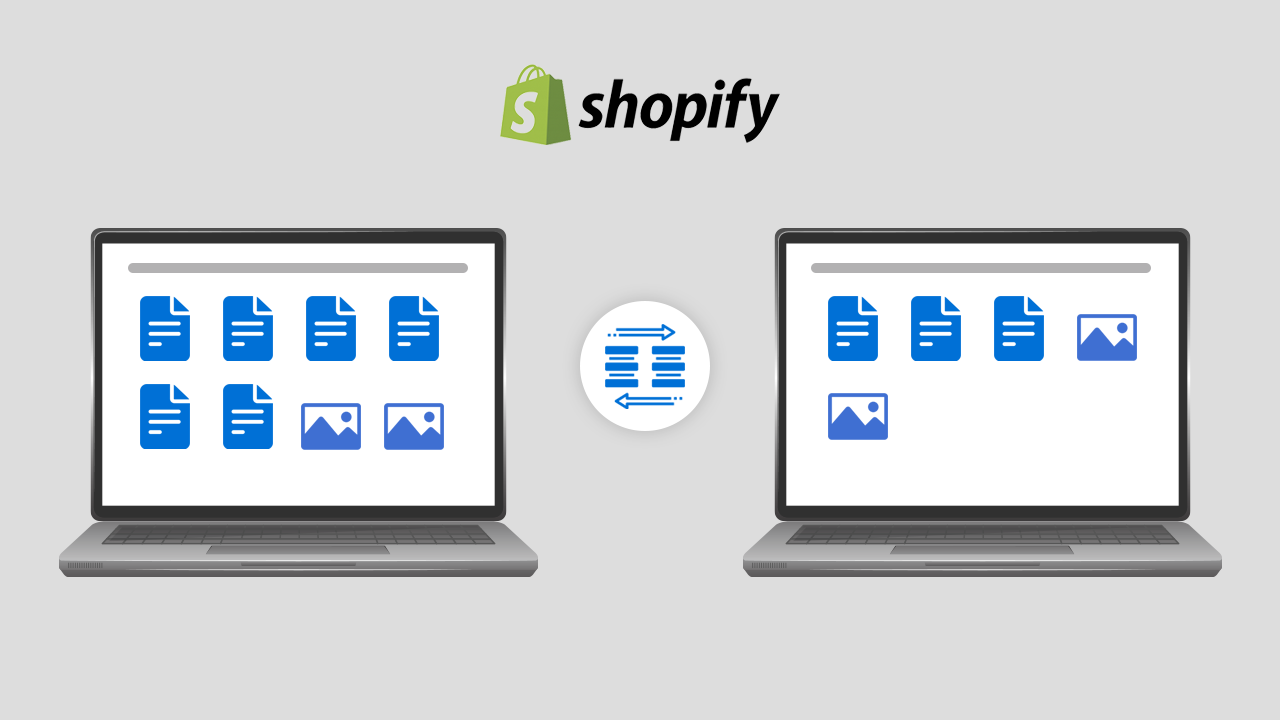
A complete guide to Shopify migration
A web store migration can be a huge hassle, especially if you are working with an inexperienced developer.

Shopify Security: Importance, Checklist & Tools
Protect your Shopify store with essential security best practices, a comprehensive checklist, and powerful tools to safeguard customer data and prevent cyber threats.
Boost Your Revenue with Recharge App for Shopify
Recurring revenue is a powerful eCommerce strategy where businesses shift from one-time purchases to subscription models for more predictable income and higher customer lifetime value. The Recharge app helps Shopify merchants easily build, manage, and scale subscription-based businesses.